Facebook
 Google
 GitHub
 Linkedin
Replacing Old Motors? Calculate the Costs and Benefits First
ABB's NEMA motors Energy Savings Calculator allows users to compare their existing electric motors with more efficient models.
Electrification and automation specialist ABB has developed an online tool allowing industrial electric motor users to assess the potential cost and energy savings of upgrading to a newer, more efficient motor.
What happens to an old electric motor when replaced with a newer model? Video used courtesy of ABB
The NEMA motors Energy Savings Calculator enables users to evaluate and compare their current motor's electricity usage, operating cost, and carbon footprint with one of ABB’s newer and more efficient ABB Baldor-Reliance SP4 NEMA Super Premium efficiency motors.
Users can enter motor characteristics such as power, efficiency class, and speed to generate a head-to-head performance comparison of their existing motor solution with the Baldor-Reliance SP4.
According to ABB, if all the 300 million plus industrial electric motor systems in use today were replaced with the latest, more efficient motor technology, global electricity consumption could be reduced by as much as 10%.
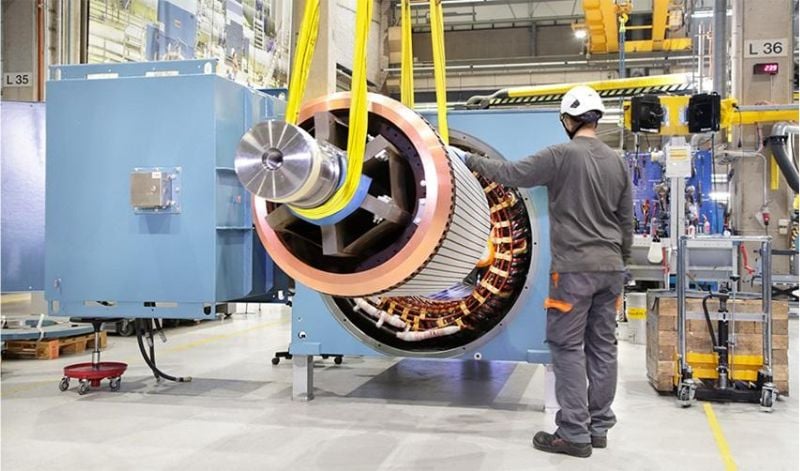
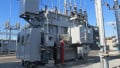
High-voltage induction motor. Image used courtesy of ABB
Industrial Motor Efficiency Impact
According to a recent ABB study, 45% of the electricity produced globally is used to power electric motors in buildings and industrial applications, with a projected total cost of $900 billion annually by 2030.
When considering their operations and potential capital investments, industrial managers must continuously assess electric motor-driven equipment's operating and ownership costs. Increasingly, they must also weigh their operations’ environmental impact relative to energy efficiency, carbon footprint, and compliance within a tighter regulatory environment.
According to Ben Hinds, Vice President of Product Marketing and Management of ABB’s NEMA Motors Division, ABB is committed to helping their industrial motor users develop clarity on how new motor investments can help meet their carbon emissions and operating goals.
ABB Baldor-Reliance SP4 Motor
The Energy Savings Calculator helps users identify potential energy savings by upgrading to an ABB Baldor-Reliance SP4 NEMA Super Premium efficiency motor.

NEMA motors Energy Savings Calculator. Image used courtesy of ABB
The Baldor-Reliance SP4 is a family of basic 60 Hz, three-phase AC induction motors designed to reduce motor losses by an average of 20%. Models within the product family support power ratings from ¼ to 300 Hp and are ideal for fans, pumps, compressors, and other industrial applications.
Like most industrial motors, the Baldor Reliance SP4 operates directly on line, meaning it does not require an external motor drive to meet efficiency standards. This greatly simplifies operations and reduces the motor's total costs.
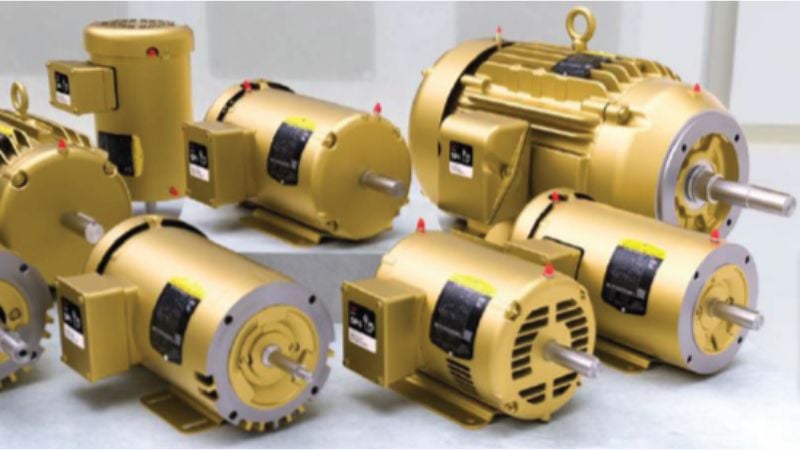
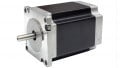
Baldor-Reliance SP4 motors. Image used courtesy of ABB
The NEMA Super Premium efficiency rating means the motor meets efficiency standards defined by NEMA (National Electrical Manufacturers Association), the independent Standards Developing Organization.
The Circular Business Model
ABB’s Energy Savings Calculator helps users understand the benefits of investing in a new electric motor ahead of time.
However, for a true cost-benefit analysis, it is also important to consider the environmental impacts, such as net carbon dioxide emissions, and costs related to the production of the new motor and disposal of the existing one.
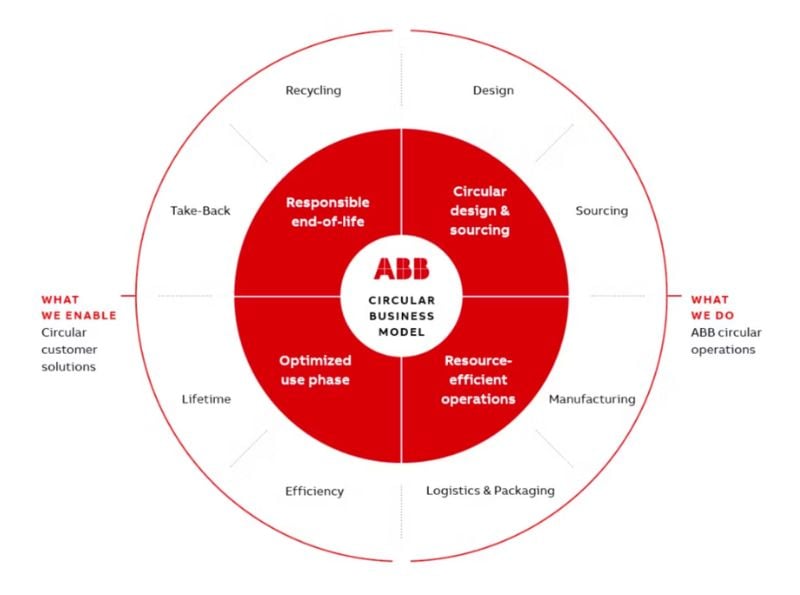
ABB circular business model. Image used courtesy of ABB
To address these issues, ABB is proactively moving to a circular business model that considers environmental impacts across the entire product life cycle, from sourcing raw materials to recycling and disposing of end-of-life products.