Facebook
 Google
 GitHub
 Linkedin
Gas Turbine Plant, Energy Storage Ensure Germany’s Grid Stability
EnBW and TransnetBW's plant in southern Germany uses a quick-start gas turbine and battery energy storage system to maintain grid stability.
Germany's ambitious energy transition, marked by the phase-out of nuclear power and the rapid integration of renewable energy sources, has created a complex challenge for grid stability. The increasing reliance on intermittent renewables and the slow progress of necessary grid expansion to transport power from northern to southern regions has heightened the risk of system imbalances and equipment failures. To mitigate these risks, Germany's Federal Network Agency recognized the urgent need for additional reserve capacity, particularly in southern Germany, to ensure a reliable electricity supply.
EnBW and TransnetBW have inaugurated a grid stabilization plant at the Marbach power plant site in response to these critical needs. This facility, operating as “special grid equipment,” is designed to provide rapid, on-demand support to the power grid during emergencies, such as equipment failures. Unlike conventional power plants, it will not participate in the general electricity market but will be activated solely by TransnetBW to maintain grid stability. This open-cycle gas turbine plant is crucial in safeguarding Germany's energy supply during its ongoing transition to a sustainable energy future. EnBW is also developing a 100 MWh battery storage facility at the same site, leveraging existing infrastructure to enhance stability further.
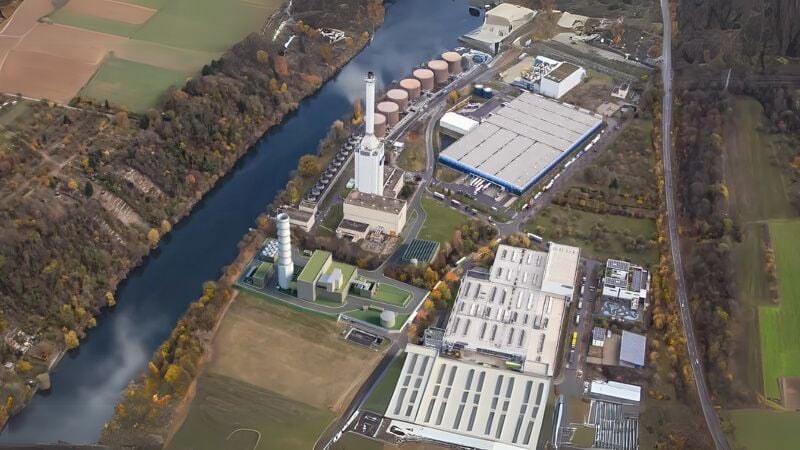
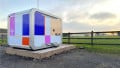
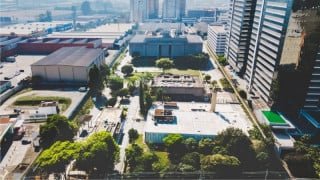
The stability plant in Marbach am Neckar. Image used courtesy of EnBW
The Technology Behind the Marbach Plant
At the Marbach grid stabilization plant’s heart lies an open-cycle gas turbine, a technology chosen for its exceptional ability to deliver substantial power rapidly. Unlike combined-cycle plants, which prioritize efficiency over speed, open-cycle turbines are designed for quick starts and rapid load changes. This characteristic is crucial for grid stabilization, where immediate response to sudden power losses is paramount. The Marbach turbine, generating 300 MW of electrical power, can begin producing scalable electricity within 30 minutes to provide a critical buffer against grid disruptions. This rapid response is valuable when traditional power plants or grid reserve systems cannot react quickly enough to maintain system stability.
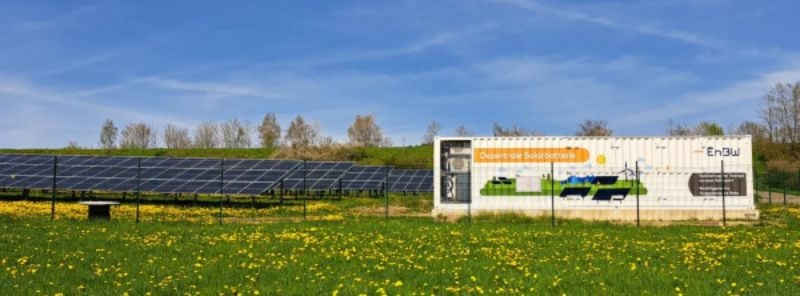
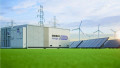
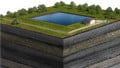
EnBW’s solar farm in Marbach. Image used courtesy of EnBW
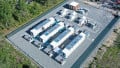
EnBW also plans to add a significant battery storage facility to the Marbach site. With a 100 MWh capacity and 100 MW output, it will be EnBW's most extensive storage project. This battery system will integrate with the existing grid stabilization plant, using shared infrastructure such as the grid connection. This synergy aims to improve efficiency and reduce overall project costs. The battery storage is expected to be operational by the end of 2025.
Why the Two Year Delay?
The path to commissioning the Marbach grid stabilization plant was challenging. Initially slated for operation in 2022, the project encountered delays due to unforeseen external factors. Project manager Floridan Hennies cited crisis-related delivery difficulties, pandemic-induced plant closures, and component damage as primary contributors. These obstacles created a complex environment for project execution.
Despite these setbacks, EnBW and TransnetBW passed the strict tests and certifications and began operations at the end of September 2024.
A Reliable Future for Germany’s Grid
The Marbach plant is vital to Germany's evolving energy landscape. Its rapid-response gas turbine and planned battery storage ensure a dependable backup for the nation's power grid, supporting the ongoing shift toward renewable energy sources.