Facebook
 Google
 GitHub
 Linkedin
Closing the ‘Loop’ on Recycling Lithium-Ion Batteries
Two companies will create a lithium-ion battery recycling process to produce battery-grade graphite for new anodes.
As electric vehicles speed toward mass adoption, obtaining rare metals for lithium-ion batteries becomes more problematic. Lithium and nickel extraction pollute the air and water and contaminate the soil. At the same time, engineers are seeking innovative recycling methods to deal with the looming multitudes of discharged lithium-ion batteries (Li-ions).
Learn about Aurubis’ battery recycling process. Video used courtesy of Aurubis
A partnership between Aurubis AG and Talga Group Ltd. has led to an innovative process for breaking down and recycling materials from discharged Li-ions. Aurubis has created a hydrometallurgical process to extract graphite and other valuable metals from Li-ions. The companies plan to use the recycled graphite to set up a European anode supply chain for new lithium-ion batteries.
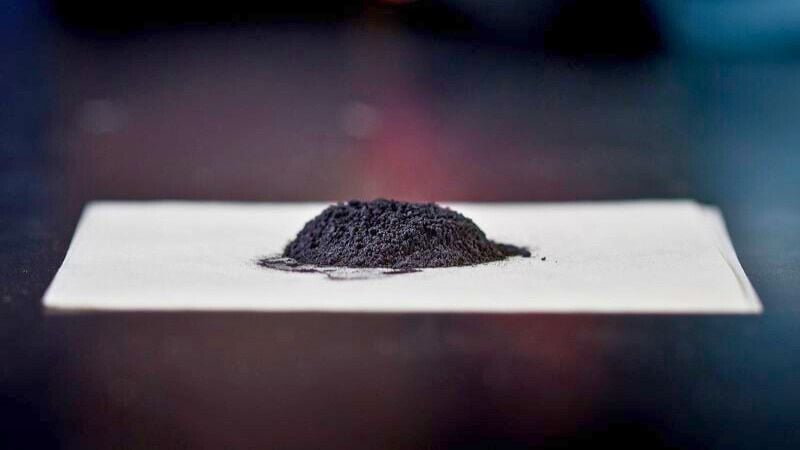
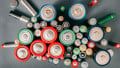
Used materials from discharged Li-ions. Image used courtesy of University of California San Diego/David Baillot
Graphite Drawbacks
Current Li-ion production requires an extensive list of valuable materials, including lithium, copper, manganese, cobalt, nickel, and graphite. Even though the final product can power an EV without emissions, the mining, extraction, and production processes needed to procure these materials create myriad challenges. Graphite is no different, and engineers are still perfecting methods for obtaining this critical material while minimizing environmental impact and optimizing efficiency.
Natural flake graphite is primarily obtained through mining, which involves large-scale operations, often in countries like China and Mozambique. Mining can result in significant carbon emissions, largely due to the energy-intensive extraction process involving drilling, blasting, and transporting materials. Given the growing demand for graphite, mining drawbacks will be compounded as the EV market expands.
Graphite mining also causes soil degradation, water pollution, and the destruction of local ecosystems. Processing and purifying raw graphite requires substantial energy contributing to the overall carbon footprint.
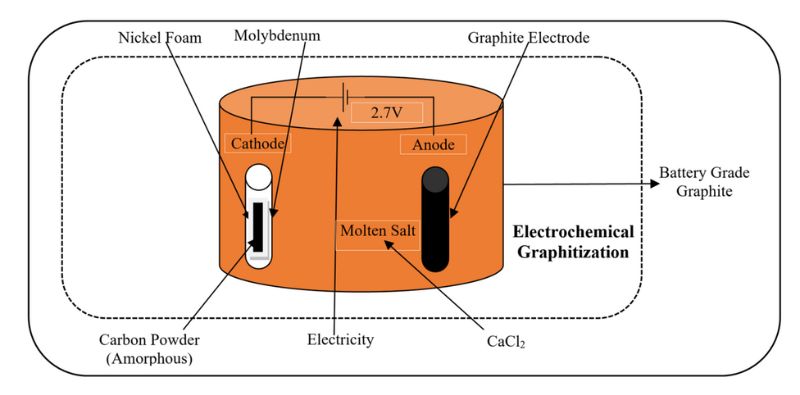
Producing synthetic graphite through graphitization. Image used courtesy of Department of Energy
Producing synthetic graphite, often favored for its higher purity and consistency, presents its own challenges. Synthetic graphite is created by heating petroleum coke in a high-temperature furnace, a process known as graphitization. This process requires extreme temperatures up to 3,000°C, making it highly energy-intensive and a major carbon emissions source. Additionally, using petroleum-derived materials introduces a dependency on fossil fuels, which contradicts decarbonization goals.
Both natural and synthetic graphite production involve substantial environmental trade-offs, and addressing these challenges will require innovations in recycling and more sustainable production methods to meet EVs’ growing demand.
Using a Hydrometallurgical Process to Optimize Graphite Recycling
Aurubis AG and Talga Group’s partnership aims to use recycled graphite for anodes, creating a “loop” or “circular solution” for materials used in renewable energy staples, such as Li-ions.
Aurubis has patented the hydrometallurgical process to extract lithium, nickel, cobalt, manganese, and graphite from discharged Li-ions. After extracting the graphite, Aurubis will send it to Talga, which specializes in purifying graphite concentrate and transforming it into anode-ready material.
Aurubis’ process is considered a lithium-first recycling process, ensuring that lithium is recovered in high purity from the start, maximizing its reuse, and reducing waste. In hydrometallurgical techniques, the battery materials are leached in an acid solution to selectively extract lithium. The chemicals used to ensure that graphite, nickel, and cobalt are not damaged in the process and can subsequently be recovered.
Since graphite material takes up 98% of the anode market share, recycling must preserve as much as possible. After extensive testing and development, Aurubis has recovered graphite with a high purity of over 90 % carbon grade, ensuring the process does not contaminate or adulterate other battery materials.
Talga and Aurubis plan to be ready for the market in 2025. With every battery recycling advancement, Li-ions will reduce their carbon footprint and better sustain the EV market as it spreads globally.