Facebook
 Google
 GitHub
 Linkedin
ABB Expands Energy Software With SaaS OPTIMAX
A new cloud-based OPTIMAX platform helps businesses optimize energy use, cut emissions, and deploy advanced analytics faster.
ABB has released a software-as-a-service (SaaS) version of its energy management and optimization platform, Ability Energy Management and Optimization (Optimax) 7.0, along with an updated Ability Advanced Process Control (APC) 7.0 software. Offering optimal control and flexible deployment options for customers, ABB’s latest software offerings are expected to help businesses improve efficiency, conserve energy, and pave the way for more sustainable operations.

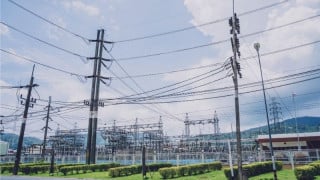
The cloud-based software operation and management offered by the Optimax 7.0 gives customers flexible oversight of operations and mitigates deployment delays typically experienced with on-site software installation. Image used courtesy of Pixabay
Barriers to Effective Energy Management
Prior to the release of the software-as-a-service version of ABB’s Ability Optimax 7.0, customers seeking to optimize energy use and reduce carbon emissions across distributed assets for energy generation and storage would have to set up, run, and maintain internal IT infrastructure. For businesses with smaller IT teams and diffuse assets, such oversight of energy management and ongoing monitoring is a real challenge. An internally led installation of a SaaS platform, such as Optimax, can take time and require meticulous attention to implementation and deployment. Continued patching and maintenance also take time and resources and might cause downtime. High upfront costs and a lack of advanced analytics also pose a problem.
The newly released SaaS versions of ABB Ability Optimax 7.0 and ABB Ability Advanced Process Control 7.0 are now available in a shared digital environment to help address these challenges.
Reducing IT Burden and Enhancing Deployment
The SaaS Optimax 7.0 means that ABB hosts the software in the cloud and helps customers by managing it and running upgrades. Users do not have to manage this internally, benefiting from more rapid deployment and cost reductions.
Originally an on-premises energy optimization solution, the now cloud-based Optimax 7 provides customers with greater flexibility in scalability and deployment across distributed facilities. Operating in a modern cloud environment helps cut down installation time once more and provides greater oversight of energy usage and carbon emissions across multiple sites. This centralized yet scalable management can enhance energy efficiency and help businesses meet their carbon footprint goals.
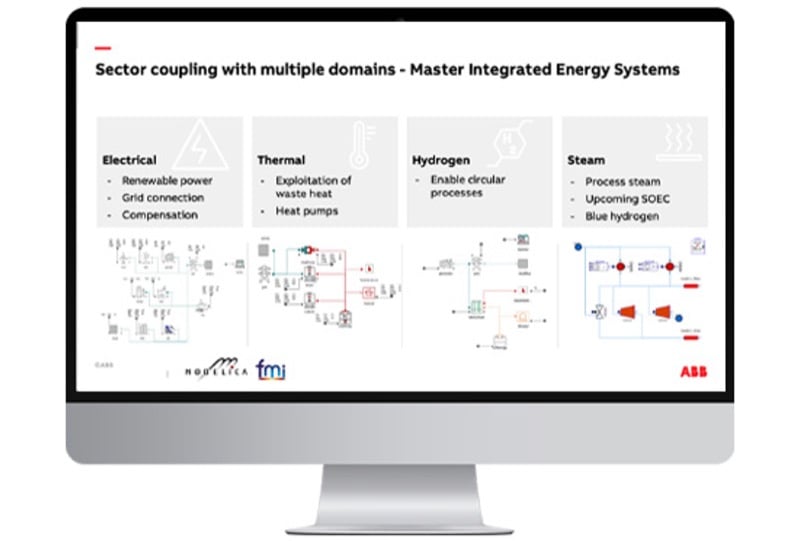
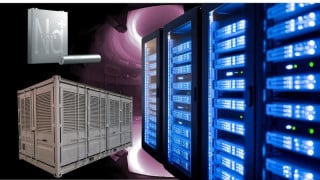
Customers can deploy the ABB Ability Optimax energy management solution across multiple industries and distributed sites. Image used courtesy of ABB
Moving beyond the initial costs of hardware and software licensing to implement platforms like Optimax, the SaaS version offers a subscription-based approach that aligns with customer budgeting plans and financial growth strategies.
The SaaS edition of Optimax 7.0 enables customers to make more informed choices about load scheduling, asset utilization, and energy purchasing through integrated artificial intelligence and predictive analytics. Users can anticipate energy demand, on-site energy production, and trading patterns. With Optimax 7.0, it is also possible to optimize production scheduling, helping businesses compete in energy markets, minimize high usage charges, and reduce total operating expenses by forecasting changes in availability, demand, and pricing.
Containerisation and Kubernetes orchestration help enhance availability and scalability and provide strong cybersecurity. This design makes Optimax 7.0 more easily interface with distributed power sources, business applications across several locations, and control systems already in place. ABB centralises the delivery of ongoing updates and feature upgrades so that customers can access optimized algorithms and improved safety features without interruption.
When combined, these features offer a versatile, durable platform that can adapt to the peaks and troughs of energy markets, legal mandates, and emission-reduction plans, helping businesses create more data-guided, flexible, responsive, and sustainable operations.