Facebook
 Google
 GitHub
 Linkedin
Hitachi Introduces Sustainable Switchgear and Transformers
The company’s switchgear and wind transformers address environmental concerns.
For decades, the power industry has relied on established technologies and materials that, while effective, have contributed significantly to environmental concerns. As governments and corporations set ambitious targets for carbon neutrality, the pressure on the energy sector to innovate has never been greater.
Hitachi Energy executives discuss two of the company’s SF6-free products. Video used courtesy of Hitachi Energy
This shift has spurred a wave of research and development to create more sustainable solutions across the entire power generation and distribution chain.
Industry leaders, such as Hitachi Energy, are seeking alternatives to long-standing but problematic materials and technologies. The company has developed two new electrical power equipment products with a reduced environmental footprint.
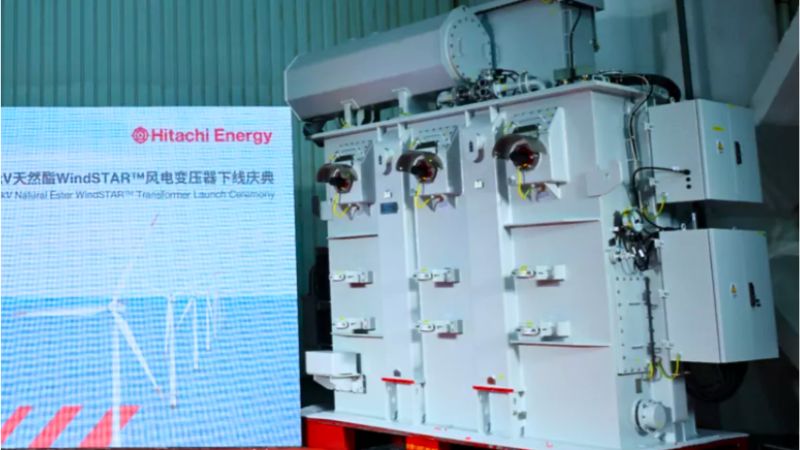
The launch of WindSTAR transformer. Image courtesy of Hitachi Energy
Solving the SF6 Dilemma
Switchgear is a term for an assembly of electrical devices, such as switches, fuses, and circuit breakers, used to control, protect, and isolate electrical equipment within a power system. While these devices are common and ubiquitous, a major sustainability shortcoming is their reliance on sulfur hexafluoride (SF6).
As a synthetic, inert, non-conductive, and non-flammable gas, SF6 remains chemically stable and unreactive at room temperature. It also offers three times more dielectric strength than air, making it highly effective at preventing electrical arcs and enabling the design of more compact, safer, and efficient electrical equipment. However, the challenge with SF6 stems from its potent greenhouse gas properties.
Specifically, SF6 has a global warming potential 20,000 times higher than CO2 and remains in the atmosphere for over 1,000 years, which raises concerns about its environmental impact in the case of a leak. According to the National Oceanic and Atmospheric Administration, the global atmospheric SF6 content has increased to 11.74 parts per trillion from 11.32 parts per trillion in April 2023.
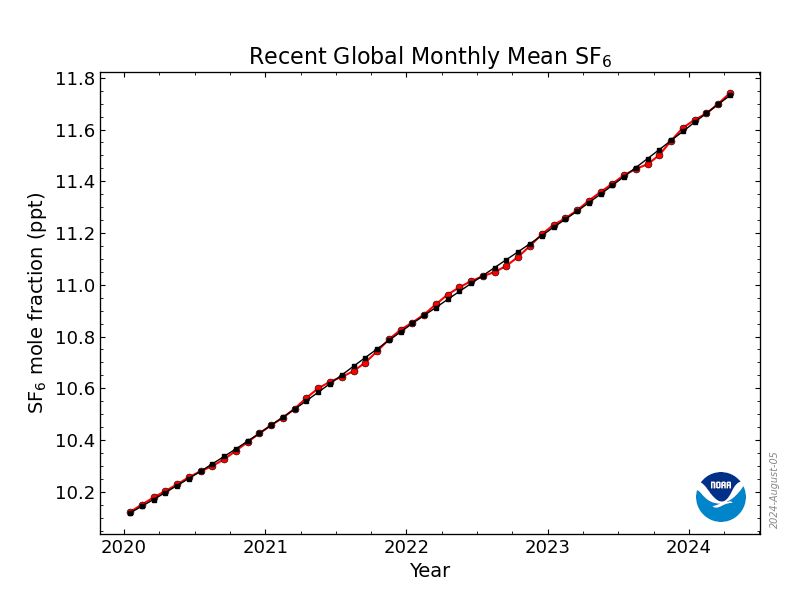
Increase in atmospheric SF6 since 2020. Image used courtesy of NOAA
To address this incongruity, Hitachi Energy has developed an alternative switchgear system substituting SF6 with a gas mixture primarily composed of carbon dioxide and oxygen. This mixture provides comparable insulation performance while reducing the global warming potential by 99%. While the new system still incorporates a small fraction of potent greenhouse gases C4-fluoronitriles (less than 5%), they are far less damaging than SF6.
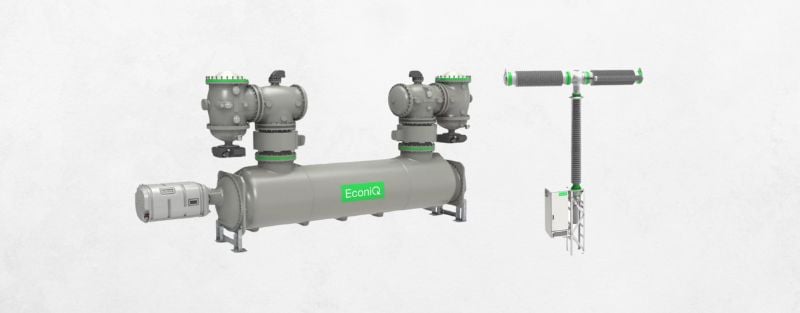
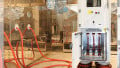
SF6-free switchgear. Image used courtesy of Hitachi Energy
According to Hitachi, this technology has already seen applications in switchgear systems rated for up to 420 kV, and now 550 kV systems are being deployed.
Eco-Friendly Transformer Insulation
In transformers, insulation fluids prevent electrical discharges between internal components and help maintain optimal temperatures by transferring heat away from active parts. Mineral oils, known for their insulating properties and ability to dissipate heat, have traditionally been used. However, these oils have environmental drawbacks, such as low biodegradability and potential toxicity in case of leaks.
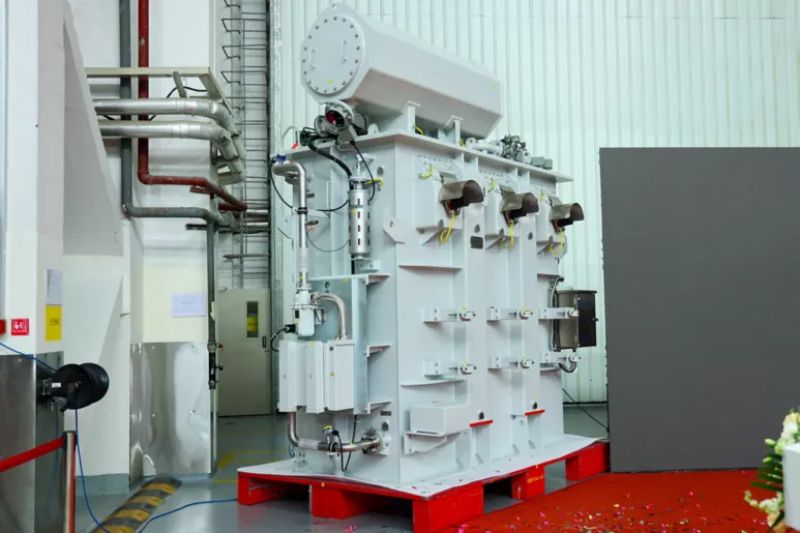
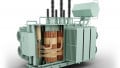
The WindSTAR transformer. Image used courtesy of Hitachi Energy
Hitachi Energy has introduced a 66 kV WindSTAR transformer using a plant-based natural ester as its insulation fluid. This ester fluid is almost 100% biodegradable while still offering dielectric properties that are on par with or superior to mineral oils. Even better, natural ester has a higher flash point than mineral oil, resulting in a decreased chance of fire.
The WindSTAR transformer is specifically designed for offshore wind applications, where reliability, compactness, and environmental considerations are all equally important. As such, the transformer was built to fit both fixed and floating offshore installations.
Sustainable Future
Hitachi Energy's advancements in electrical power equipment signal a broader shift in the industry towards more sustainable practices. With growing clean energy solution demand, similar efforts from other industry players could lead to a rapid evolution in power infrastructure technology. The success of these new products may also spur increased investment in research and development of other environmentally friendly alternatives across the energy sector.