Facebook
 Google
 GitHub
 Linkedin
U-Turn? How Changes in Washington Could Impact EVs
This three-part series examines how Donald Trump’s administration could impact the trajectory of EVs in the United States. Part 1 discusses views on EV growth and climate change.
Electric vehicles produce considerably lower emissions over their lifetime than vehicles with internal combustion engines. EVs are far more energy-efficient than conventional vehicles, using 87-91% of energy from the energy stored in their battery for propulsion, compared to only 16-25% energy efficiency for gasoline vehicles.
Because transportation accounts for about one-fifth of all climate change pollution in the U.S., widespread EV adoption could significantly reduce this contribution. The push for EV adoption is also driving innovations in battery technology, charging infrastructure, and electrical power grid management, all of which have broader applications in the fight against climate change.
However, Donald J. Trump’s election to a second non-consecutive term as president could affect electric vehicle adoption and climate change.
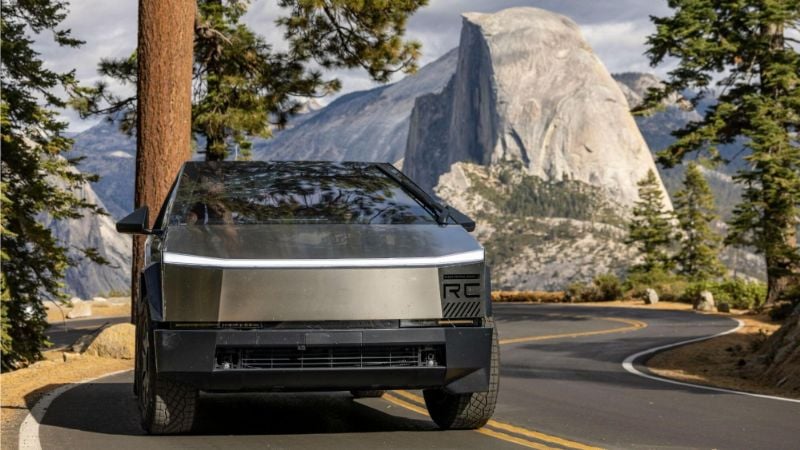
Tesla Cybertruck. Image used courtesy of Pexels
EVs and Climate Issues
During his first term, Trump's administration rolled back over 130 environmental regulations aimed at reducing greenhouse gas emissions and promoting clean energy, including replacing the Clean Power Plan with the less stringent Affordable Clean Energy rule.
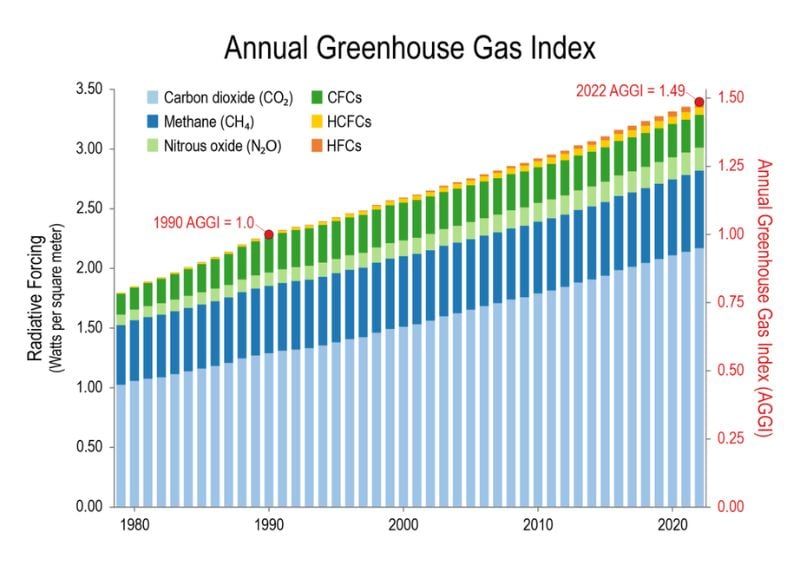
Greenhouse gas emissions over the past four decades. Image used courtesy of U.S. Global Change Research Program
The federal EV tax credit, which provides up to $7,500 for consumers purchasing electric vehicles, was part of the broader tax framework established under the Obama administration and later modified by the Biden administration through the Inflation Reduction Act in 2022. The tax credits, such as those for EVs, are embedded within legislation that would require Congressional action to amend or repeal. Therefore, any changes would necessitate a legislative process rather than unilateral executive action.
President Joe Biden's administration implemented many significant climate change initiatives, including rejoining the Paris Climate Agreement, signing the Infrastructure Investment and Jobs Act (also called the Bipartisan Infrastructure Law) with funding for climate resilience and clean energy infrastructure, and signing the Inflation Reduction Act (IRA), providing over $370 billion for climate and clean energy initiatives—the largest climate investment in U.S. history. Biden’s policies launched initiatives to accelerate offshore wind energy development, invest in expanding domestic manufacturing of clean energy technologies like heat pumps, and set a target to reduce U.S. greenhouse gas emissions by 50-52% below 2005 levels by 2030 and 100% carbon pollution-free electricity by 2035.
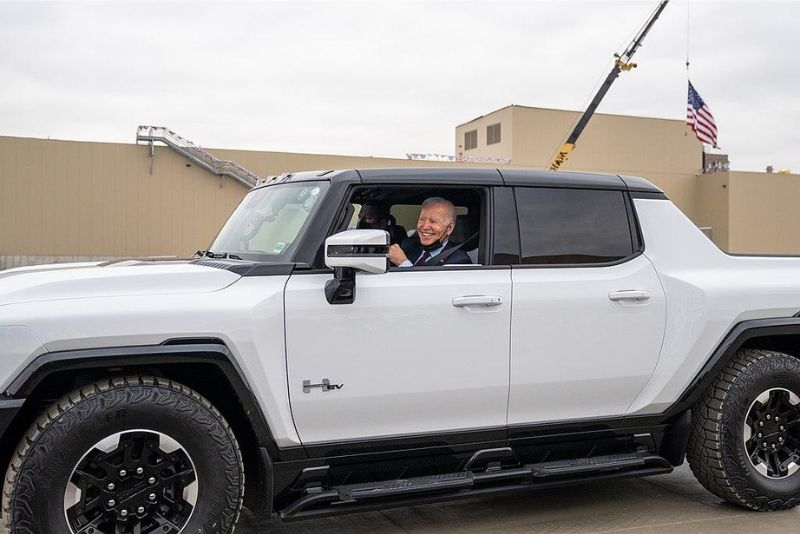
President Biden in a Hummer EV. Image used courtesy of Wikimedia Commons
EV Growth
When Trump took office in 2017, EV sales in the U.S. were just beginning to grow as manufacturers moved away from short-range, low-performance “compliance” cars and toward the types of reliable, safe, and affordable EVs that U.S. consumers wanted. Total EV sales in the U.S. in 2016 were 159,139 vehicles, while in the third quarter of 2024 alone, 346,309 EVs were sold in the U.S., and the EV market share reached 8.9%.
The Bipartisan Infrastructure Law helped EVs grow by allocating $7.5 billion to develop a nationwide network of 500,000 EV chargers. The goal is to ensure that charging infrastructure is accessible, reliable, and convenient for all drivers, which is crucial for increasing EV adoption. The Inflation Reduction Act extended tax credits of up to $7,500 for new EV purchases and up to $4,000 for used EVs. These incentives help lower the upfront costs for consumers, making EVs more affordable and appealing. The act also included incentives for electrifying heavy-duty vehicles, such as school buses, expanding the market for electric transportation beyond passenger vehicles.
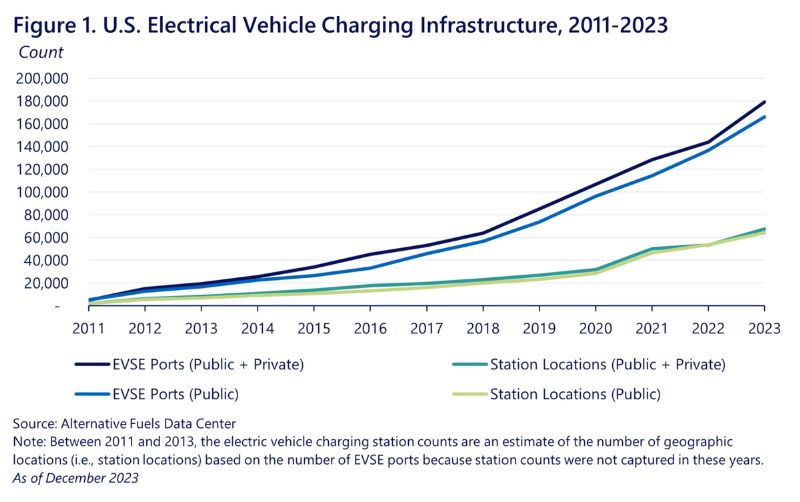
Increase in EV chargers. Image used courtesy of White House
The Biden administration's policies encouraged over $100 billion in private investments in battery manufacturing and EV production. This focus on domestic supply chains aims to bolster U.S. competitiveness in the global EV market.
The Biden administration introduced new vehicle emission standards to reduce greenhouse gas emissions from cars and trucks. These regulations encourage automakers to increase their production of electric vehicles to meet compliance requirements.
EVs and the New Administration: Part 2
Part 2 of this series will consider how a second Trump presidential term could affect U.S. automobile manufacturers’ ability to keep up with future innovations in battery and EV technologies.
The views and opinions expressed in this article are those of the writer and do not necessarily reflect those of EEPower or EETech.