Facebook
 Google
 GitHub
 Linkedin
Lidar Watches the Wind To Optimize Turbine Placement
Effo deploys ZX 300 wind Lidar to collect wind information in the 100 MW Eysturlund Energy Park in the Faroe Islands, aiming to offset 10% of fossil fuel use with clean energy.
Producing consistent and efficient wind energy is no small feat, especially in the harsh and variable climate of the Faroe Islands. Although wind resources are abundant, harnessing the energy economically and sustainably is difficult. Poorly placed turbines can undercut performance, raise costs, and delay progress. Precision is everything for a region striving to reduce fossil fuel dependency.
Energy provider Effo has deployed ZX Measurement Services’ ZX 300 wind Lidar to take on these challenges and deploy the Eysturlund Energy Park. This will include an ambitious 100 MW wind farm project set to play a key role in the Faroe Islands' decarbonization strategy. In a year-long campaign, the ZX 300 will gather detailed wind data across the proposed site. This data is vital for optimizing turbine placement and maximizing the park’s energy yield, which is projected at 350 GWh per year. This is enough to offset roughly 10% of the fossil fuel consumption in the region.
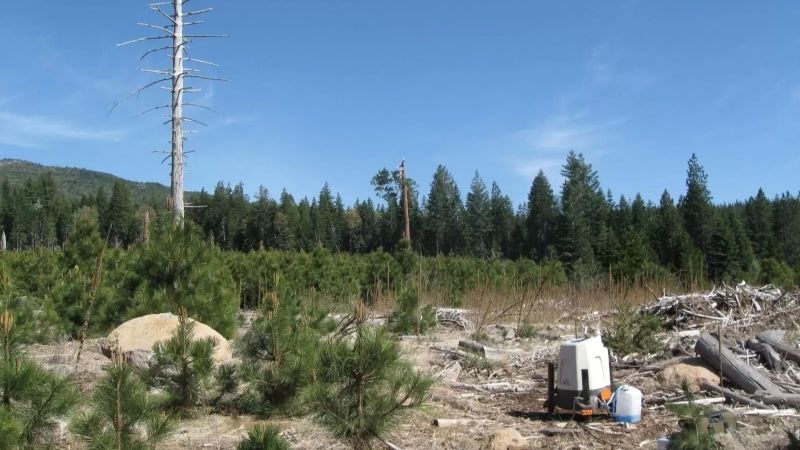
The ZX300 in the terrain. Image courtesy of ZXLidars
How the Lidar Works
The ZX 300 is unlike traditional meteorological masts, which are fixed and limited in scope. The ZX 300 uses laser-based Lidar (Light Detection and Ranging) to profile wind conditions from 10 to 300 meters above ground. The technology enables vertical wind measurements at multiple heights to create a comprehensive picture of wind behavior across varied terrain. This is especially important in the Faroe Islands, where cliffs and unpredictable weather can make wind patterns complex and difficult to model.
Extreme Environments, No Big Deal
The ZX 300 is designed to endure harsh climates. It features a rugged, twin-skinned insulated casing that resists rain, snow, and wind-blown debris. Adjustable tripod legs also provide stability on uneven terrain.

How the ZX300 works. Image used courtesy of ZXLidars
Its continuous-wave laser technology allows the device to focus precisely at each height level, ensuring accurate data recovery, even in “clear air” conditions with minimal atmospheric particles. This focus on high sensitivity and reliability makes it a trusted option for generating “bankable” wind data, data robust enough to satisfy investors and regulatory bodies alike.
A Broader Vision
For Effo, the ZX 300 plays a critical role in a larger mission: transitioning the Faroe Islands toward energy independence and industrial electrification.
Heini Ellingsgaard, head of Renewable Energy at Effo, explained in a press release that the company hopes the Lidar will gather the high-quality data needed to improve design decisions and maximize wind resources while ensuring energy efficiency.
Eysturlund, a wind farm with 24 wind turbines rated at 4.2 MW each, represents a substantial leap forward in the islands’ clean energy capacity. But the project isn’t just about electricity; it’s about reshaping an energy system still reliant on imported fossil fuels. With the data from the ZX 300, Effo is better positioned to build infrastructure that’s not only powerful but also engineered for long-term performance.
From Wind to Watts
The Faroe Islands face the ongoing challenge of reducing fossil fuel dependence while meeting growing energy demands. With the ZX 300 wind Lidar guiding the development of the Eysturlund Energy Park, Effo is leveraging precise, high-quality wind data to design a more efficient wind farm, moving the islands one step closer to a fully renewable energy future.