Facebook
 Google
 GitHub
 Linkedin
VPPs: Grid Resilience Without Infrastructure Upgrades
Virtual power plants can enhance grid reliability and meet growing energy demand by aggregating distributed energy resources.
The U.S. power grid is facing mounting pressure as energy demand rises. Energy consumption increased by 2% in 2024, and it is expected to keep growing. The Department of Energy has projected a need for an additional 200 gigawatts of capacity by 2030. However, the slow pace of transmission infrastructure development presents a significant challenge. Construction of high-voltage transmission lines has steadily declined over the past decade, which has left utilities and grid operators struggling with a lack of energy generation and capacity and an insufficient infrastructure to distribute power effectively.
Virtual power plants (VPP) are gaining attention as a transformative solution. VPPs aggregate decentralized renewable energy resources such as solar panels and battery storage systems, which effectively create a virtual power plant that operates as a unified entity. This decentralized approach allows grid operators to tap into additional power sources without expensive and time-consuming transmission upgrades. VPPs can be deployed quickly—often within six months—enabling grid operators to enhance system reliability and respond promptly to fluctuating energy demands.
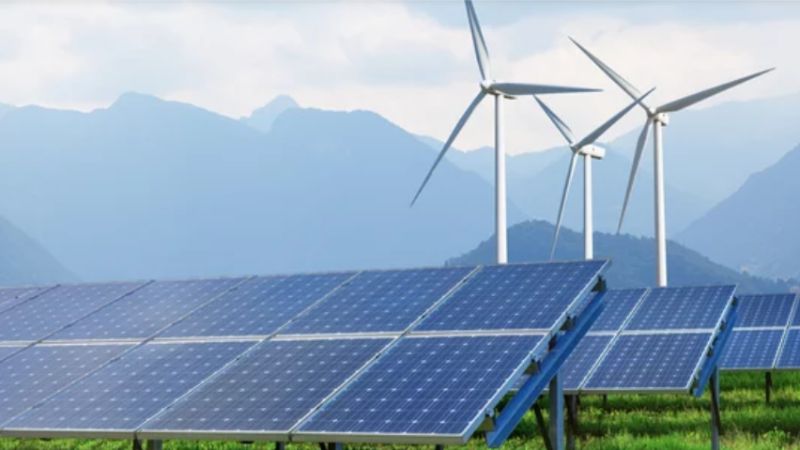
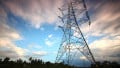
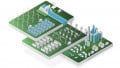
VPPs can utilize solar and wind-generated power to provide a more reliable supply during intermittent periods. Image used courtesy of Adobe Stock
What Are VPPs?
VPPs combine thousands of small-scale distributed energy resources (DERs) into a coordinated, virtual generation source that helps optimize energy use by delivering power more efficiently from where it is generated to where it is needed, eliminating the significant losses occurring during long-distance transmission. According to the Department of Energy, VPPs could account for up to 160 gigawatts of capacity by 2030, which would be a substantial increase from the meager 33 gigawatts that was calculated at the end of 2024, and would be critical for addressing the nation’s growing energy needs.
VPPs can be deployed much faster than the U.S.’s traditional infrastructure projects and reduce the need for long-term permitting processes and costly upgrades to transmission lines. By operating close to the consumption point, VPPs also minimize transmission losses, ensuring a more reliable energy supply. They offer a scalable solution to grid challenges in meeting expected growth while improving the environmental impact by reducing reliance on fossil fuels.
VPPs in Grid Modernization
In the transition toward cleaner energy sources, VPPs are not only a temporary fix but can be considered a long-term solution. These VPPs offer a flexible and sustainable method of integrating renewable energy into the grid, as they can incorporate solar and wind power, which can essentially balance out their intermittency by relying on battery storage systems that provide a buffer when generation fluctuates. VPPs support the grid’s transition away from fossil fuels by effectively managing renewable resources.
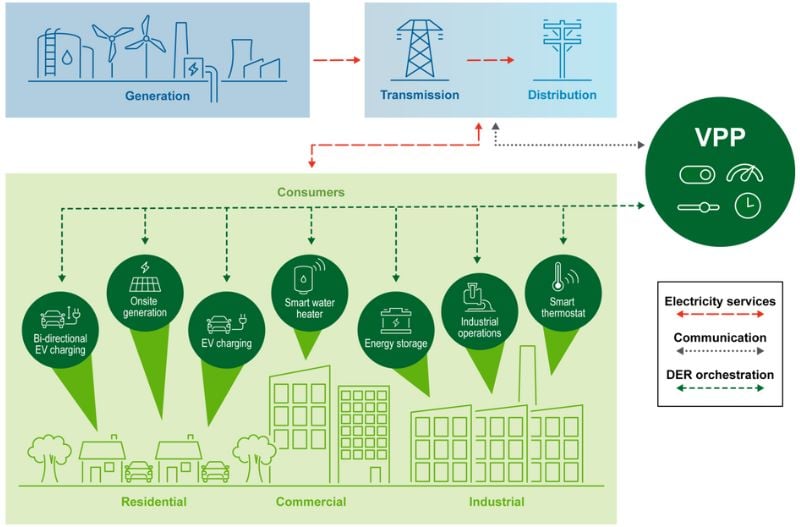
VPP model. Image used courtesy of Department of Energy
Several VPP programs have already demonstrated their value in maintaining grid reliability. For example, Sunrun, a solar and battery storage solutions provider, operates VPPs across California. Their systems collectively help provide up to 48 MW of power during peak evening hours, ensuring that demand is met when the grid is under the most strain. In Puerto Rico, Sunrun’s PowerOn VPP has supported the island's grid during power shortages, providing over 15 MWh of energy and ensuring stability in their current grid system.
Overcoming Challenges and Regulatory Support
While VPPs offer substantial benefits, regulatory challenges due to outdated laws can slow development, and aggregating DERs into a single, coordinated VPP also causes delays. However, progress is being made. In 2024 alone, over 100 regulatory actions were taken across 38 states and Washington, D.C., to facilitate VPP growth.
Innovation in artificial intelligence is also driving VPP evolution. When AI is integrated into VPP platforms, it can optimize DER performance in real time, providing faster and more accurate responses to shifts in energy demand.
The Future of Virtual Power Plants
Grand View Research has projected that the global VPP market could expand by a rate of 22.3% by 2030. As more utilities adopt VPP technologies and the regulatory landscape continues to evolve, VPPs will become an integral component of the U.S. grid modernization process. Virtual power plants are a readily available solution that helps bridge the gap between growing energy demand and outdated infrastructure.
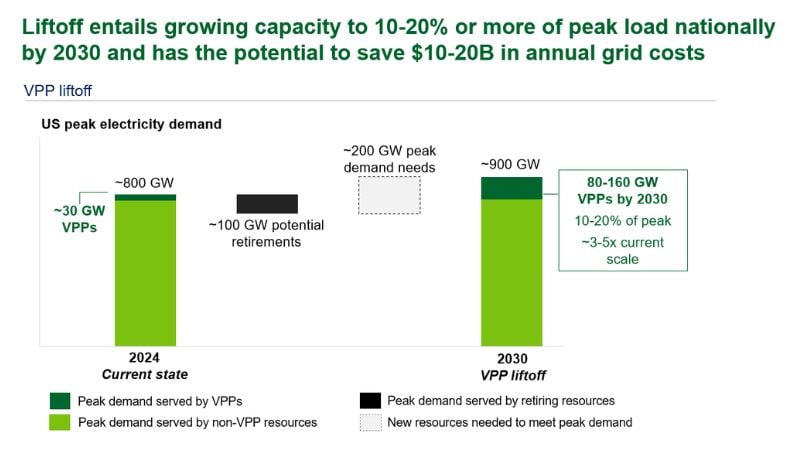
Projected VPP use at peak demand. Image used courtesy of Department of Energy
VPPs could offer a cost-effective, scalable solution that enhances grid efficiency and improves overall system reliability. As the grid continues to modernize, VPPs will play a role in ensuring the U.S. energy system can meet future demands while maintaining sustainability and resilience.