Facebook
 Google
 GitHub
 Linkedin
Model Predicts Renewable Energy Storage Needs
Understanding future energy needs could make transitioning to renewable energy easier.
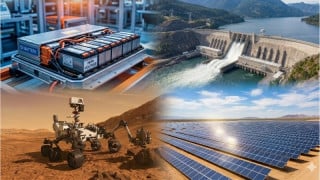
The most ambitious net-zero goals envision replacing fossil fuels with renewable energy systems like solar and wind. However, grid-scale renewable energy depends on energy storage systems.
Researchers led by North Carolina State University have developed a model to project a nation’s energy storage needs if it were to shift entirely to renewable energy sources from fossil fuels. This model can help policymakers make informed decisions for short-term and long-term energy planning.
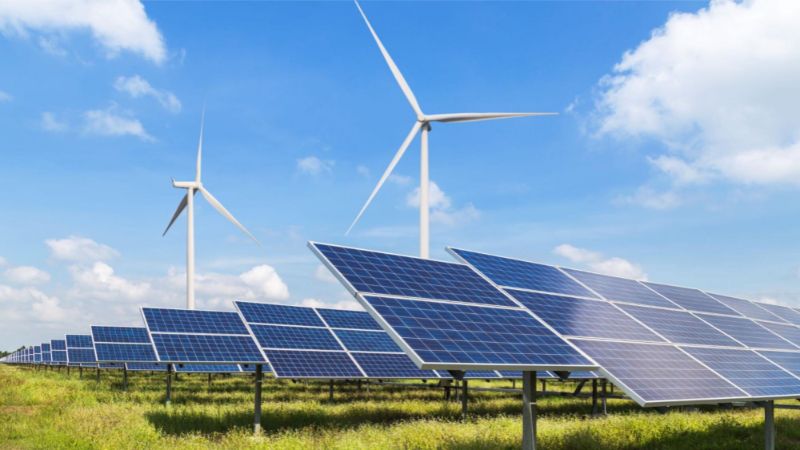
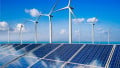
Renewable energy sources. Image used courtesy of Adobe Stock
Determining Energy Needs
The study initially focused on Italy’s energy system, which has faced challenges in obtaining affordable natural gas. The goal was determining Italy’s energy storage needs if it relied solely on renewable energy sources. Although the flowchart was focused on Italy, the model could be used to estimate energy storage needs for any energy system.
Energy storage was a crucial factor in developing the flowchart due to the unpredictable nature of renewable energy sources. Renewable energy sources don’t generate energy consistently. For example, solar panels generate electricity when the sun shines but do not produce energy at night. Similarly, wind turbines generate power when the wind blows but cannot produce energy when calm. Energy storage systems store energy generated during active weather periods to be used later when these sources aren't available. This ensures a steady supply of electricity.
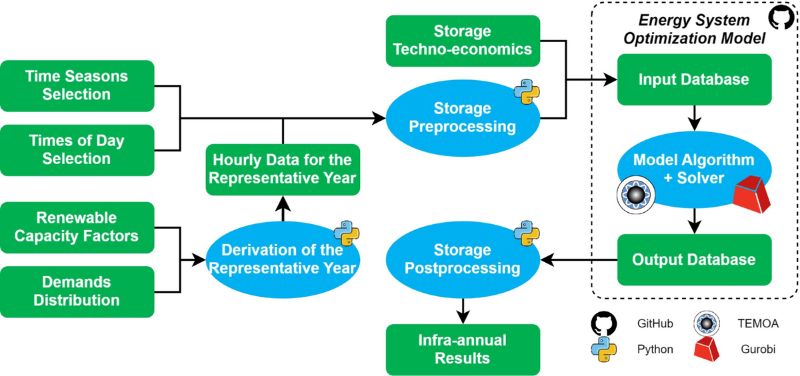
The flowchart researchers developed to project energy storage needs. Image used courtesy of Nicoli et al.
Modifications
The researchers aimed to create a more accurate model of an energy storage system’s storage by modifying the Temoa optimization model. One significant modification was to reflect how renewables produce energy at different rates throughout the day and year. For instance, solar power is more abundant during long summer days but drops significantly at night. They also accounted for how energy consumption varies. For example, using heaters increases electricity consumption during cold winter nights.
_and_wind_(right)_in_Italy.jpg)
Daily renewable energy fluctuations by solar (left) and wind (right) in Italy. Image used courtesy of Nicoli et al.
Reflections on Short-Term Energy
These modifications reflected some early actions Italy could take to develop storage systems.
The central reflection indicated that Italy must store roughly 10% of generated energy in short-term energy storage devices. Short-term energy storage refers to the length of time a device can sustain its maximum power output. For instance, a three-hour 2 kW device can release 2 kW for three hours. If a maximum power output release exceeds four hours, the device is no longer considered a short-term energy device.
Short-term storage systems can quickly respond to sudden changes in electricity demand or supply, helping to maintain grid stability and prevent blackouts. By implementing these short-term storage solutions, Italy can better manage its renewable energy resources, ensuring a reliable and resilient energy supply as it moves away from fossil fuels.
Advantages of Switching to Renewable Energy
Switching to renewable energy offers numerous advantages for the environment and society.
Some environmental benefits include better quality air and water and reduced greenhouse gas emissions. Fossil fuel extraction and combustion release pollutants that degrade air and water quality. Renewable energy sources do not produce pollutants. This pollution reduction can help mitigate health issues such as asthma, bronchitis, and cardiovascular diseases. Renewable energy sources also produce little to no greenhouse gases during operation. This significantly lowers the carbon footprint compared to fossil fuels.