Facebook
 Google
 GitHub
 Linkedin
No More Gridlock? AI Startup Offers a Digital Copilot
ThinkLabs AI is developing digital assistants to help control room operators better manage the modern grid’s complexities.
Modern power grids are under enormous pressure as energy demand continues to grow globally due to decarbonization efforts. Power demands from new loads like EV chargers and data centers are straining aging grid infrastructure, while an increasing number of distributed energy resources (DER), like vehicle-to-grid charging (V2G) and renewable microgrids, are adding new complexity layers to grid operations.
Energy tech startup ThinkLabs AI, Inc., is developing grid planning and operational tools using artificial intelligence (AI) and intelligent automation technologies to help operators better manage the modern grid's complexities.
ThinkLabs’ Copilot is a digital assistant that will use a proprietary AI digital twin based on real-world data to assist grid operators in meeting the evolving grid’s challenges.
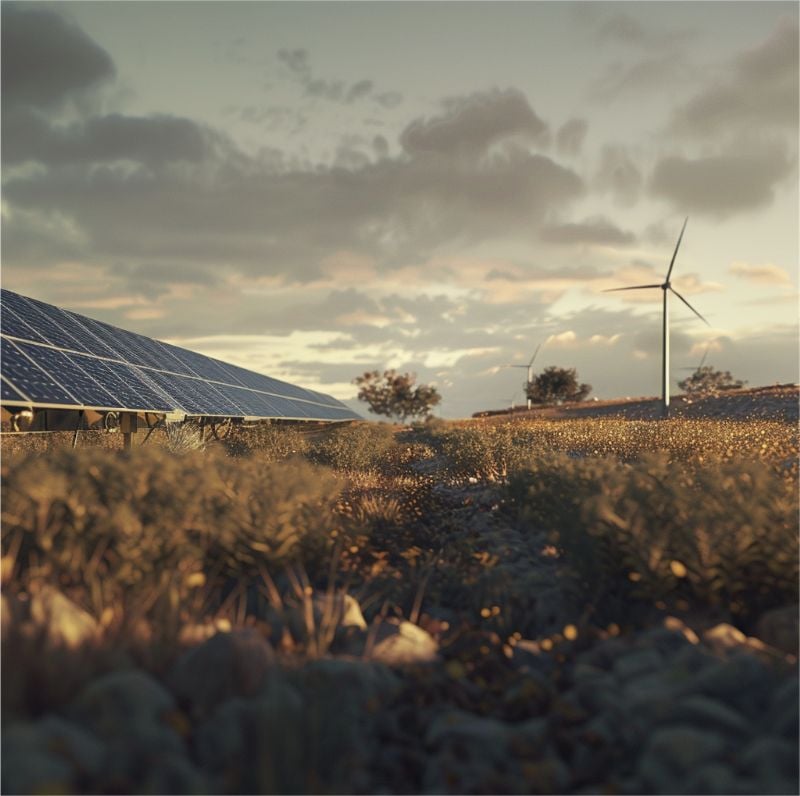
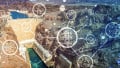
Renewable microgrids add complexity to grid operations. Image used courtesy of ThinkLabs AI
A Strained Grid and Distributed Energy Resources
The growing energy demand has strained an aging grid infrastructure. Along with baseline increases in energy needs, new loads like EV charging infrastructure and data centers are introducing additional demands.
At the same time, faced with environmental challenges, energy consumers are reducing their reliance on carbon-based fuels and shifting demand toward electrical power sources, and the grid.
In efforts to decarbonize while improving energy resilience, commercial and residential consumers are looking to renewable microgrids to supplement or even replace grid electricity. Microgrids can power battery energy storage systems and local loads and serve as DERs to sell surplus electricity back to the grid for general use.

Rising demands strain power grids. Image used courtesy of ThinkLabs AI
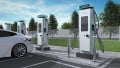
Through V2G capabilities, EV charging infrastructure can also serve as an energy source. In V2G applications, the EV supply equipment transfers energy from the vehicle’s battery pack through the charging infrastructure and back to the grid.
To a grid operator, this multitude of DERs represents a virtual battery that, if carefully managed, can supplement primary power sources, improving overall grid reliability and resiliency.
The net effect of these energy demands and operational trends is more complex grid operations with less margin for error.
Intelligent Solutions for the Modern Grid
The ThinkLabs Copilot digital assistant is designed specifically to help grid operators in regions with high concentrations of DERs, where the operational complexities are the greatest.
Managing the evolving modern grid’s complexities necessitates a clever and intelligent solution. According to Josh Wong, founder and CEO of ThinkLabs, the AI technologies pervasive in text and video applications can now be applied to power grid operations wrestling with decarbonization challenges.
Real-world physics and engineering data can generate digital representations of the actual grid. These digital twins allow operators to model operations more accurately and anticipate problems before they occur.
Upgrading and expanding grid infrastructure is an important aspect of grid modernization. Managing existing infrastructure through software, AI, and similar technologies is also key to ensuring the modern grid can meet future energy demands.
Copilot’s Future
Thinklabs AI is a startup launched by GE Vernova. It has received an additional $5 million in seed funding from investors, including Powerhouse Ventures, Active Impact Investments, Mercuria Energy, Amplify Capital, and Blackhorn Ventures.