Facebook
 Google
 GitHub
 Linkedin
LFP Cathodes Promise 30% More EV Battery Storage
Integrals Power’s enhanced lithium-ion materials yield smaller, lighter batteries with more energy storage capacity and faster charge rates to extend EV ranges and reduce charge times.
Integrals Power, a U.K.-based startup focused on advanced battery technologies, is developing advanced cathode materials to use with novel lithium-iron-phosphate (LFP) chemistries. These chemistries promise higher battery energy densities and faster charge times while hitting more aggressive cost targets.
The company’s enhanced lithium iron phosphate and lithium iron manganese phosphate chemistries are slated to deliver up to 30% more energy storage capacity than traditional cell technologies while supporting faster charge and discharge rates for the next generation of electric vehicle battery packs.
With most global cathode active materials produced in China, Integrals Power, assisted by U.K. government funding, will offer a locally produced alternative using raw materials largely sourced from Europe and the U.S. to help maintain a strategically balanced supply chain for the critical battery materials.
The company’s first pilot plant is under construction in the U.K. as a step toward developing mass production capabilities.
_active_cathode_materials.jpg)
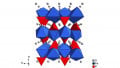
Lithium-iron phosphate (LFP) active cathode materials. Image used courtesy of Integrals Power
Battery Performance and Cost Challenges
According to Integrals Power Founder and CEO Behnam Hormozi, the cathode is the most critical part of the battery cell and the determinant factor for overall battery performance relative to energy density, charge cycle characteristics, and cost.
Rechargeable lithium-ion cells used in electric vehicle (EV) battery packs typically have nickel manganese cobalt as the active cathode material. Still, import tariffs, mining, and other supply constraints for cobalt drive up costs and can disrupt supply chains. These incumbent lithium-ion chemistries also have power and capacity limitations that can inhibit the broader adoption of EV technologies.
Constructing LFP Active Cathode Materials
Battery chemistries using lithium-iron-phosphate as the cathode active material promise higher energy storage (up to 30% more than current technologies) and faster charging capabilities. However, the performance of LFP solutions has been unreliable and inconsistent.
In collaboration with the U.K. government, Integrals Power is addressing LFP’s limitations and the even more aggressive lithium-iron manganese phosphate (LFMP) cathode active materials through a “bottom-up” materials development approach.
The company’s patent-pending solution develops LFP active cathode materials starting at the molecular, or nano-material, level using materials free of the impurities limiting battery efficiency and performance.
With these innovative manufacturing techniques, Integrals Power hopes to deliver on the performance and cost advantages of LFP and LFMP chemistries while addressing the reliability and consistency constraints when manufacturing the advanced materials at scale.
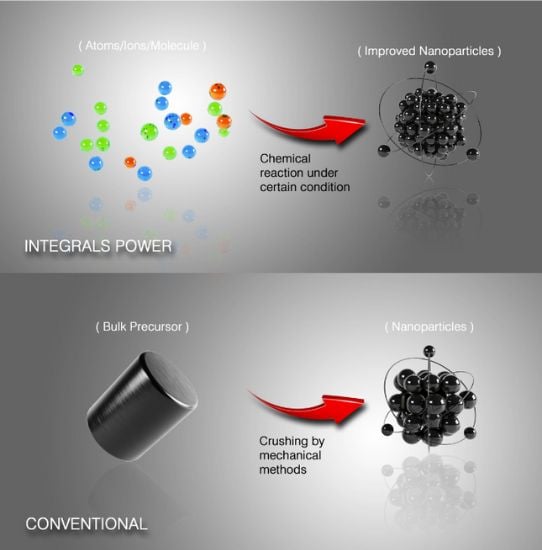
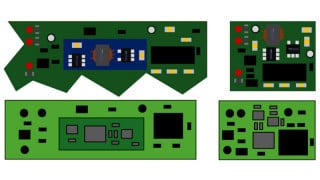
Bottom-up cathode construction with nano-materials. Image used courtesy of Integrals Power
Commercialization
Integrals Power’s manufacturing process for LFP and LFMP active cathode materials continues to evolve. Once its pilot plant is completed, the company plans to deliver larger batches of the materials to cell manufacturers.
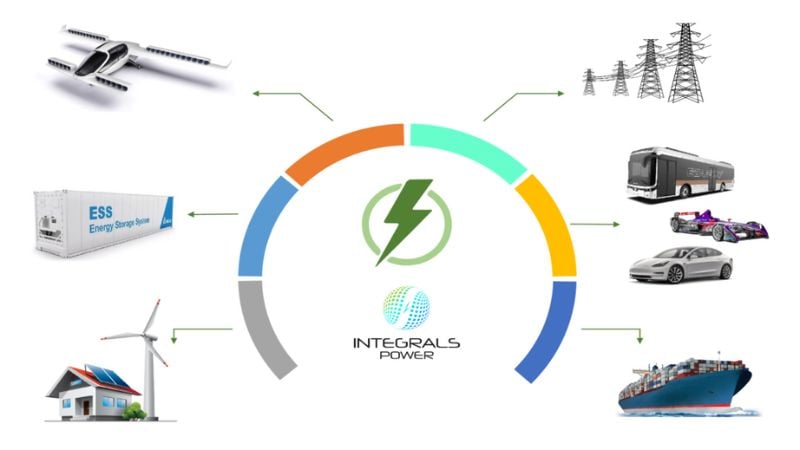
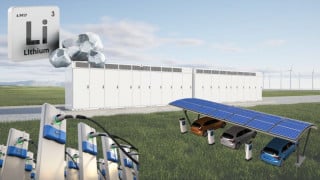
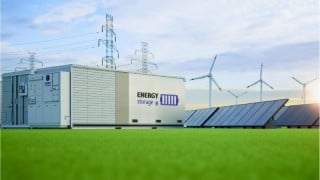
Applications for LFP batteries. Image used courtesy of Integrals Power
In addition to EV batteries, LFP and LFMP cathode active materials are well suited to marine, aerospace, and defense battery and energy storage applications.