Facebook
 Google
 GitHub
 Linkedin
Turn Bidirectional EVs Into Grid Assets Using Smart Charging Management
Learn how developments in smart charging software will enable bidirectional EV charging to provide benefits to the utility grid, EV fleet owners, and charge point operators.
EV batteries have the potential to be much more than simply a force to get from Point A to Point B. They can also be an essential tool for storing and deploying energy when and where it’s needed most. And in doing so, EVs can save utilities, Charge Point Operators (CPOs), and their customers money. All of this while improving grid performance and serving as a backup power source during outages.
The key to unlocking this potential? The emerging trend of bidirectional charging.
What Is Bidirectional Charging?
Bidirectional charging turns EV charging into a two-way highway. It allows power to flow in both directions—between an EV, the grid, and homes and buildings.
Vehicle-to-everything (V2X) charging is the overarching term for transmitting electricity from EV batteries to the grid, homes, buildings, and any other destination in need of energy. To make this possible, V2X charging requires:
- An EV capable of bidirectional flow and charging.
- A charger with the same bidirectional flow and charging capabilities.
- A communications link between the charger and vehicle that complies with either the ISO 15118 or OCPP 2.0.1 protocols.
- A smart EV charging and energy management platform that supports bidirectional charging.
Types of Bidirectional Charging
There are multiple use cases within bidirectional charging. Let’s examine a few of these and the distinction between them.
V2G (Vehicle to Grid)
The first use case for bidirectional charging is when EV owners return stored electricity from their vehicles (V) back to the grid (G). This is typically employed to balance loads amidst peaking power demands.
V2B (Vehicle to Building) and V2H (Vehicle to Home)
EVs can also return power to a building (B) or home (H) energy management system. V2B bidirectional charging typically occurs during peak demand periods and power outages, whereas V2H is typically used primarily during power outages alone.
V2V (Vehicle to Vehicle) and V2L (Vehicle to Load)
V2V charging consists of transferring power between EVs and other vehicles, such as cars, mobility devices, electric motorcycles, and mopeds. V2L charging involves sharing power between EVs and other electric loads (L), including devices, equipment, and appliances.
An Emerging Trend with Strong Promise
Since it first entered the scene, bidirectional charging has gone from a hopeful possibility to a buzzworthy emerging technology within the energy sector. When further commercially developed and proven at scale, bidirectional charging can interconnect two separate ecosystems—transportation and power. And the opportunities that bidirectional charging brings to utilities and their customers through grid performance and backup capabilities are promising.
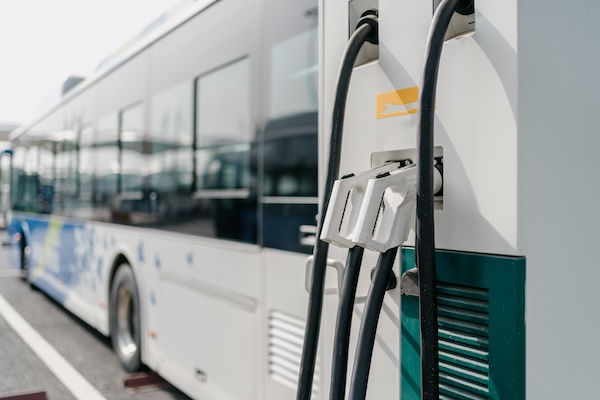
Bidirectional charging will allow EVs to stabilize the grid and provide emergency power during outages. Image used courtesy of Adobe
While the majority of vehicles currently on the road aren’t capable of bidirectional charging, vehicle OEMs clearly recognize the opportunity and are working to make it a standard vehicle feature going forward. Tesla has stated that all of its vehicles will be equipped for bidirectional charging in 2025, while GM plans to make bidirectional charging a standard capability across its entire EV lineup by 2026.
That creates a wave of opportunity. In America alone, the nation’s 2.4 million EVs represent approximately 147 GWh of energy storage. That’s five times more battery storage than currently exists on the grid!
By 2040, EVs could become the 4th largest power supplier in Europe, providing 15 to 20% of instantaneous electricity demand by acting as a massive, mobile, and distributed virtual power plant. In addition, bidirectional charging may save European EV owners between €450 and €2,900 annually by allowing them to charge while power prices are low (often overnight) and sell surplus energy back to the grid during peak demand periods.
It doesn’t end with just dollars and cents. Using bidirectional charging to turn EVs into a peak-demand power plant spurs further integration of renewable energy sources. Being able to flexibly store and utilize excess energy makes renewable integration and deployment an easier process that aligns with end use-case needs. This offsets fossil fuel peak generation and serves as a nice secondary decarbonization tactic in the expanding EV ecosphere.
From Emerging Trend to Shared Reality: What Must Be Done?
Vehicles and chargers that have bidirectional charging capabilities aren’t the only technologies needed to make bidirectional charging a lasting tool for demand flexibility and cost-saving. Smart charging software that can manage the interchange of electricity is crucial for fleet owners and operators in order to have optimized control over bidirectional charging-enabled fleets. The right smart charging software turns EV charging into an automated, fluid, bidirectional charging experience.
Smart energy management and charging platforms can seamlessly be integrated into fleet operators’ existing tech stack. They become a natural extension of other software systems being used, such as those planning vehicle routes and schedules. This will allow bidirectional charging to become a natural and efficient part of day-to-day fleet management.
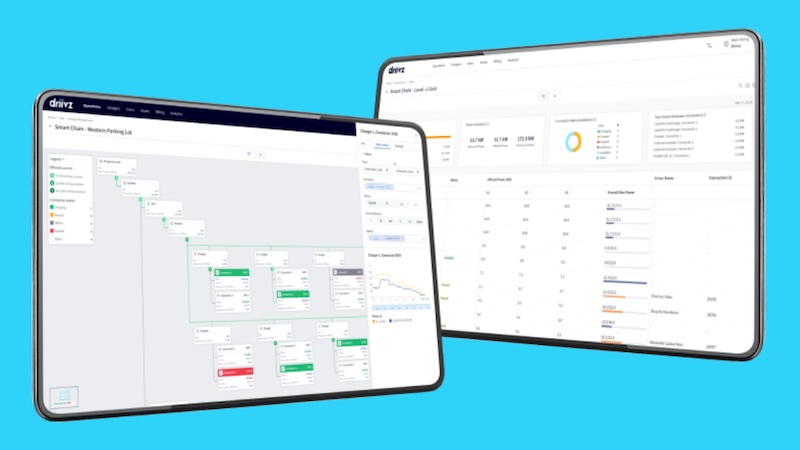
Example of EV charging and energy management software. Image used courtesy of Driivz
Companies specializing in charging network management and software solutions can create API integrations. Then, fleet owners and operators can use these for seamless fleet management.
Managing bidirectional fleet charging with smart charging software also provides fleet owners and operators with real-time monitoring. A quality EV charging management platform should offer an insights-driven dashboard with 24/7 charger monitoring, remote issue resolution, and advanced reports and analytics. Bidirectional charging makes fleets more flexible and responsive, but the true depth of flexibility and responsiveness can only be reached through tools that create a holistic, clear view of charging operations and utilization.
Optimizing energy usage within bidirectional charging can be the determining factor in an electric fleet’s overall performance and cost effectiveness. Fleets that use smart energy management can remain within their charging site’s available capacity while reducing their energy costs by efficiently managing the energy delivered for EV charging.
These solutions let operators prioritize EVs for charging according to their schedules. Pairing this efficiency with bidirectional charging in energy flexibility markets allows fleet owners to be compensated by the grid operator for helping to balance the power grid, all within the businesses’ normal day-to-day operations.
A Sunny Future for Bidirectional Charging
Picture a sunny day that brings an excess of solar energy onto a grid, where it’s stored in batteries and energy storage systems. Smart EV charging software then coordinates the flow of power to charge EVs, while maintaining energy delivery to other sources. Then, when peak demand periods hit or as generation drops, smart charging software can throttle EV charging to lower demand on the strained grid.
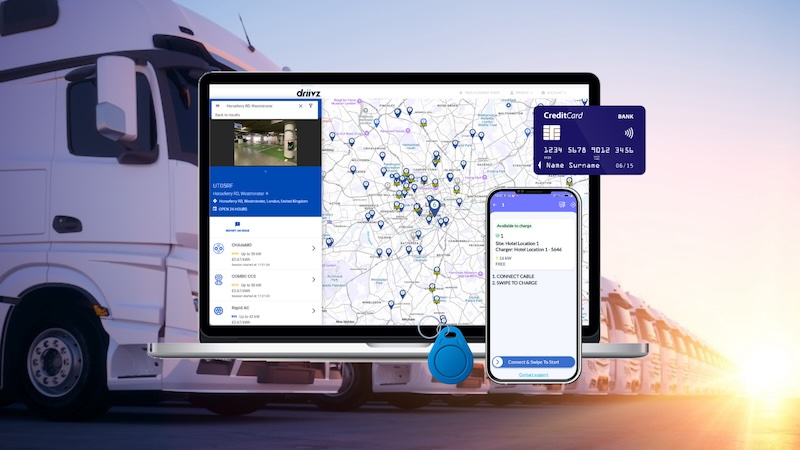
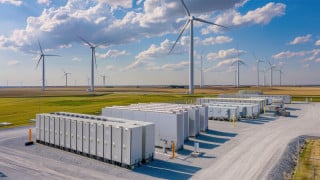
Fleet operations and renewable energy can both benefit from smart bidirectional charging. Image used courtesy of Adobe and Driivz
This balance of charging EVs during surplus periods and throttling charging during high-demand periods can be seamless thanks to smart charging software. All of this can happen alongside other legacy fleet solutions as fleet managers plan routes and schedule vehicle deployment.
Bidirectional charging will shift the way EV owners, utilities, and CPOs interact with the grid. With the right mix of automotive manufacturing support and smart energy management software, this emerging industry will make the grid more responsive, flexible, resilient, and clean.