Facebook
 Google
 GitHub
 Linkedin
Digital Industrial Lifecycle Asset Management: An Energy Strategy
Integrating IoT, AI, and other innovative solutions into the asset lifecycle provides organizations that optimize their assets' performance, efficiency, and lifespans with a competitive advantage.
This article was co-authored by Nisar Ahamad, Capgemini.
In the modern industrial landscape, especially within the energy, utilities, and manufacturing sectors, the need for efficient, comprehensive asset management has never been greater. The complexity of managing industrial assets, from conceptual and detailed design to deployment, commissioning, and operations, presents significant challenges.
However, Digital Industrial Asset Lifecycle Management (ALM) provides a solution. This emerging discipline utilizes advanced technologies, such as digital twins, the Internet of Things (IoT), and AI-driven analytics, to provide visibility and control over and optimize the entire lifecycle of industrial assets.

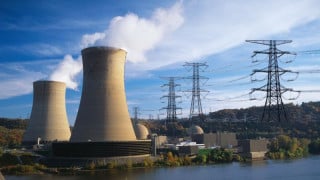
Digital Industrial ALM is about creating a digital thread that runs through the entire lifecycle of an asset. Image used courtesy of Adobe
Digital Industrial ALM is key for industrial enterprises feeling the pressure to advance efficiency while keeping costs low and delivering sustainability promises to their customers and key stakeholders. By streamlining and combining data across the production and supply chain in an AI-enhanced manufacturing execution system (MES), Digital Industrial ALM transforms asset management into a proactive, rather than reactive, process while driving efficiency.
Core Components of Digital Industrial ALM
At its heart, Digital Industrial ALM is about creating a "digital thread" that runs through the entire lifecycle of an asset. From the initial design phase through construction, operation, maintenance, and eventual decommissioning, industrial assets generate vast amounts of data. Traditionally, this data has existed in silos, limiting operational efficiency and decision-making.
Digital Industrial ALM eliminates these inefficiencies by providing real-time visibility and control over assets via an integrated digital platform. This allows organizations to improve failure prediction, optimize maintenance schedules, and reduce downtime, ultimately extending the lifespan of industrial assets while reducing costs.
The energy and utilities sectors, in particular, are turning to this technology to modernize their aging infrastructures. As renewable energy sources, such as wind and solar, become more prevalent, and as regulatory demands around sustainability grow, these industries are forced to adapt quickly. Digital Industrial ALM enables utilities to better manage both new and legacy infrastructures, providing the operational efficiency and agility required to meet modern demands.
Overcoming Challenges in the Energy and Utilities Sectors
One of the most pressing challenges facing utility organizations is the aging infrastructure that many still rely upon. For example, much of the power grid infrastructure is decades old, with inefficiencies and maintenance issues that drive up operational costs.
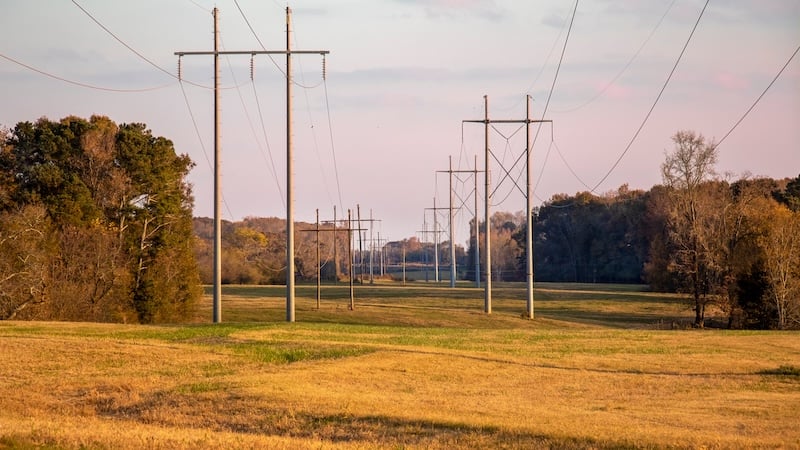
Aging utility infrastructure creates unique asset management challenges. Image used courtesy of Adobe
Furthermore, these industries often struggle with data management. Research shows that analysts spend up to 40% of their time just searching for or cleaning up data. The lack of real-time data, combined with non-integrated systems, also complicates the ability to make informed decisions about asset performance and future investments.
Digital Industrial ALM directly addresses these challenges by integrating IoT sensors and digital twins with legacy systems, creating a unified digital ecosystem. This shift not only allows for more proactive maintenance but also provides organizations with predictive insights that help them avoid costly outages and equipment failures.
Additionally, Digital Industrial ALM introduces data standardization across the asset lifecycle, ensuring that engineers, data scientists, and decision-makers are all working with the same reliable information. By breaking down data silos, energy and utility companies can make faster, more strategic decisions, increasing operational efficiency and reducing costs in the long run.
Strategic Partnerships Transforming Digital Asset Management
To help organizations better understand the potential of industrial software to advance their business goals and sustainability KPIs, AVEVA and Capgemini are joining our unique capabilities to drive digital transformation in the industrial sector. Together, our two organizations are working on numerous real-world projects, particularly in Brownfield environments where existing infrastructure needs to be upgraded to meet modern demands.
This work is already bridging the gap between operational technology (OT) and information technology (IT), creating a seamless digital asset lifecycle that transcends traditional barriers. The integration of IT with OT-focused solutions is enabling companies across industries to optimize their asset management strategies. The projected impact is vast, with the potential to significantly reduce operational costs, improve asset performance, and extend the useful life of infrastructure.
Advancing Sustainability Efforts
One of the most transformative aspects of Digital Industrial ALM is its potential to further sustainability initiatives across the industrial landscape. The energy and utilities sectors are under increasing pressure to reduce their carbon footprints, not only for regulatory compliance but also to meet market demands for more sustainable energy sources. Many companies are already leveraging Digital Industrial ALM to monitor and optimize energy usage, reduce waste, and improve overall environmental performance.
Sustainability in this context is measured across three scopes:
- Scope 1 covers direct emissions from owned or controlled sources.
- Scope 2 addresses indirect emissions from the generation of purchased energy.
- Scope 3 includes all other indirect emissions, such as those produced by suppliers or customers.
Digital Industrial ALM plays a critical role in helping companies manage emissions across all three scopes. By providing a detailed, real-time view of asset performance and energy consumption, companies can reduce their Scope 1 and 2 emissions. Moreover, the ability to track and manage the entire lifecycle of assets—down to the embodied carbon in newly constructed plants—enables companies to address Scope 3 emissions as well.
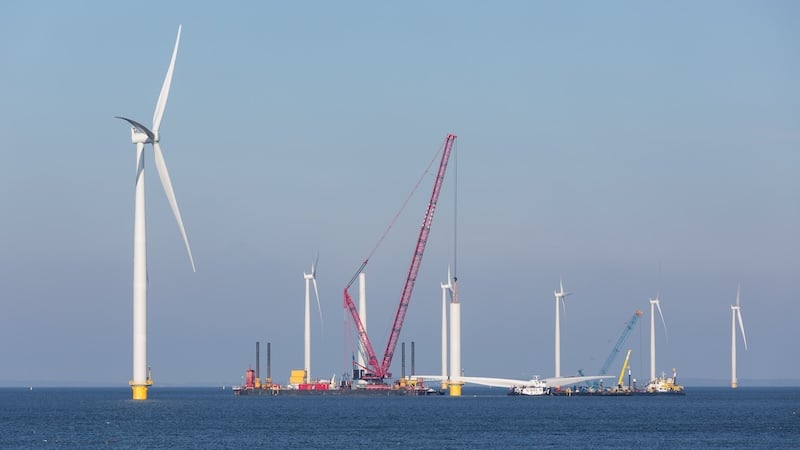
Digital industrial ALM ideally begins even during the construction phase. Image used courtesy of Adobe
For companies committed to achieving net-zero emissions, this technology is not just a tool for operational efficiency; it is an essential component of their sustainability strategy. By connecting data across the entire value chain, from suppliers to customers, organizations can develop a more holistic approach to carbon management, ensuring that every aspect of their operations is aligned with their sustainability goals.
As the energy and utilities sectors face mounting pressures to modernize their infrastructures, reduce costs, and meet ambitious sustainability targets, Digital Industrial ALM offers a powerful solution. By integrating IoT, AI, and other innovative solutions into the asset lifecycle, this technology provides organizations with the tools they need to optimize asset performance, extend asset lifespans, and reduce carbon footprints. In an increasingly digital and sustainable world, Digital Industrial ALM is not just a competitive advantage—it is a necessity.