Facebook
 Google
 GitHub
 Linkedin
Conduit Flexes Its Muscle for Utility Infrastructure Applications
Liquatite flexible electrical conduit from Electri-Flex Company offers a robust wiring protection solution for utility and power plant infrastructure.
Electri-Flex Company, an electric conduit designer and manufacturer, has introduced its leading brand, Liquatite, as a flexible electrical conduit solution suitable for the demanding requirements of utility, power plant, and steel mill operations.
Liquatite electric conduit. Video used courtesy of Electri-Flex
According to Electri-Flex, Liquatite conduits are designed using the latest engineering innovations and high-quality materials to maintain wiring system integrity, even in the most challenging outdoor environments. The robust conduit is designed to keep systems connected and running through extreme temperatures, hot and cold, and in areas with extended exposure to UV light.
The company has highlighted several variants of its Liquatite conduit particularly suited for utility applications. These conduits offer varying temperature ranges, flexing capabilities, and certification requirements to help customers better meet the needs of their specific applications.

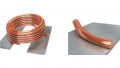
Electrical conduit construction. Image used courtesy of Electri-Flex Company
Electrical Conduits
Electrical conduits protect electrical wiring from exposure to moisture, corrosive materials, and the elements. In many applications, particularly harsh industrial environments, they are essential to maintaining electrical wiring’s integrity and keeping equipment connected and running.
Liquatite Flexible Electrical Conduit is designed with a high-quality metal core or other suitable material, surrounded by a polymer jacket. The metal core provides physical robustness, while the external materials offer protection from moisture, sunlight, and other potentially corrosive materials.
Electrical conduits come in many variants. Unjacketed options are available for applications not requiring an external jacket for protection, and shielding can be incorporated into the conduit design for applications needing more robust EMI/RFI protection.
Compared with rigid conduits, flexible conduits like Liquatite are designed to bend, making it easier to deploy in more complex wiring designs and layouts.
Conduit Variants and Customizations
Liquatite conduits can be customized with different types of flexible metal cores and protective coatings to better meet the performance criteria of a specific application. Steel, stainless steel, aluminum, bronze, and non-metallic varieties are all potential options for the flexible core, offering different performance benefits relative to durability, weight, corrosion resistance, and flexibility.
The external jacketing materials and design can also be selected to optimize for oil resistance, halogen-free requirements, extreme temperatures, antimicrobial properties, and various color options to help identify circuitry.
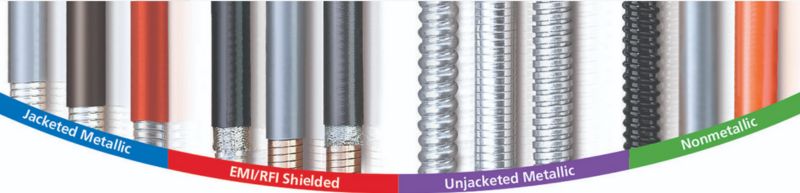
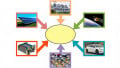
Flexible electrical conduit design types. Image used courtesy of Electri-Flex Company
For utility and power plant applications, Electri-Flex calls out three specific variants of Liquatite:
- Type ATLA is a UL-certified conduit with a flexible steel core for extreme temperature variations. Its custom-formulated PVC jacket maintains flexibility and reliability across a wide temperature range.
- Type ATX uses a corrosion-resistant plated steel core with a thermoplastic rubber jacket, making it halogen-free and flame-resistant while extending the operating temperature to as high as 165°F.
- Type LNMP uses a non-metallic, flexible PVC inner core with nylon reinforcing braid and a flexible PVC outer jacket that avoids metal fatigue in applications subject to repeated flexing or vibration.
Electri-Flex History
Electri-Flex is a third-generation family-owned business headquartered in Roselle, IL. Company founder Harold Kinander, Sr. developed the first liquid-tight connector in 1945 while working for Simplet Electric Company. Simplet Electric was eventually sold, and the conduit IP was transferred to the newly formed Electri-Flex Company in 1955.
Today, the company maintains a line of nearly 50 standard flexible conduit types sold through a network of manufacturer’s representatives and distributors.