 Facebook
 Google
 GitHub
 Linkedin
Rethinking Grid Investment With Edge Intelligence
Edge intelligence helps utilities modernize grid infrastructure and align capital planning with real-time operational data to manage growing energy demands.
For decades, electricity demand followed relatively predictable patterns shaped by population growth and economic cycles. That’s no longer the case. Electrification, distributed energy resources, and large-scale data center expansion are introducing new forms of load growth that are faster, more localized, and increasingly difficult to predict.
These shifts are forcing a rethink of how infrastructure investments are planned and prioritized. What used to be long-range, relatively static planning is becoming more dynamic, with greater emphasis on understanding where constraints are emerging and how quickly conditions are changing.
Recent federal grid investments are reinforcing this shift, supporting efforts to modernize how utilities plan for both near-term reliability and long-term system expansion. But funding alone does not solve the underlying challenge. At a time when affordability is under growing scrutiny, utilities need to be more deliberate about where they deploy capital and more urgent about using data to guide those decisions.

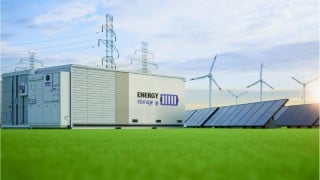
Utility planning. Image used courtesy of Adobe Stock
Why Centralized Models Are Under Strain
Traditional utility analytics have been built around centralized architectures, where field devices transmit data to control centers or cloud platforms for processing. This model has served the industry well for decades, enabling system-wide visibility and consistent data governance. However, it was not designed for the volume, velocity, or granularity of data being generated across the modern grid.
As more devices come online, centralized approaches introduce latency and increase bandwidth and compute requirements, making it harder to act on data in real time. This creates a growing gap between how quickly conditions change in the field and how quickly systems can respond. And this challenge is already evident. Globally, thousands of gigawatts of generation and load are waiting in interconnection queues today. While much of that pressure is visible at the distribution and transmission level, its impacts are increasingly felt across distribution systems.
Shifting Intelligence to the Edge
Edge computing addresses this gap by moving analytics closer to where data is generated. Instead of transmitting large volumes of raw data upstream, edge-enabled devices process information locally and surface only what is most relevant.
This shift reduces data movement, improves response times, and makes it easier to handle growing volumes of data as more assets come online. It also enables systems to continue operating when connectivity is constrained, an increasingly important factor during storms and other disruptive events when access to centralized systems may be limited.
Adopting this approach does introduce new considerations, particularly around managing distributed compute infrastructure and integrating edge insights with existing systems. But as grid conditions become more dynamic, these challenges are increasingly outweighed by the need for timeliness and accuracy. Acting on data closer to its source is becoming essential for maintaining situational awareness and responding effectively. What was once viewed as an architectural choice is becoming a foundational capability for utilities operating in a more variable and distributed grid environment.
From Periodic Data to Continuous Insight
Much of today’s grid infrastructure is operating well beyond its original design lifespan, often under conditions it was never intended to support. The reality is that most of it is at increasing risk of failure and putting added pressure on already constrained capital budgets.
Historically, planning decisions have relied on data snapshots collected at intervals that can miss how assets behave under real operating conditions. Edge intelligence changes that model by enabling continuous visibility into asset performance, load patterns, and system stress. With more timely and granular data, utilities can identify emerging issues earlier and understand where constraints are developing at a much more localized level. That shift allows planning to move beyond generalized assumptions toward decisions rooted in actual operating conditions.
It also supports a transition to condition-based strategies. Rather than replacing assets based primarily on age or estimated lifespan, utilities can prioritize investments based on how assets are performing, extending useful life where appropriate while addressing higher-risk areas sooner.
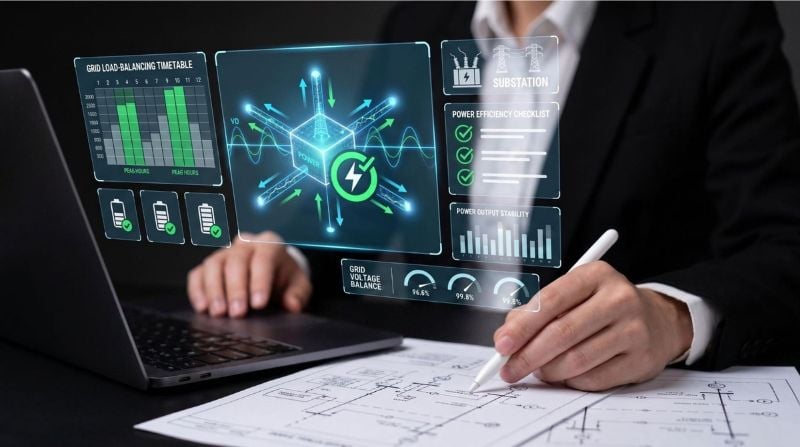
Grid management and planning. Image used courtesy of Adobe Stock
Aligning Operational Intelligence With Financial Strategy
One of the most persistent challenges utilities face is the disconnect between operational data and financial planning. Engineering teams focus on system performance, while finance teams manage budgets and investment cycles. The two often work in silos, which can result in misaligned priorities or inefficient capital allocation.
Edge intelligence provides a common data foundation that can bridge the gap between capital planning and insight-rich data. By providing a clearer, near real-time view of how assets are performing, it gives both operational and financial teams a shared baseline for decision-making, which is increasingly important as utilities balance reliability needs with affordability pressures.
When equipped with better data, utilities can make more informed decisions about where to defer work, where to target specific constraints, and where to prioritize capital for the greatest system-level impact.
Building for a More Dynamic Grid
Planning for a more decentralized and variable grid requires more than incremental improvements to existing models. It requires an approach that can evolve with changing needs and increasing complexity. Edge-enabled architectures provide that foundation by distributing intelligence across the network. This allows utilities to expand capabilities over time without overloading centralized systems, while also adapting more easily to changing conditions.
Interoperability and open standards are critical to making this work. Systems need to integrate across legacy infrastructure and new technologies, supported by standardized communication and flexible data models that can evolve alongside the grid.
A More Actionable Role for Data in Grid Modernization
Data has always been central to utility operations, but its role is changing. Beyond serving as a historical reference, data is becoming a continuous input into both operational and planning decisions. Edge intelligence is a key part of that shift, bringing analytics closer to the source so utilities can work from more timely, localized insight.
As grid conditions continue to evolve, utilities face greater urgency to move beyond broad assumptions or delayed insight when making capital decisions. The pressure to modernize is real, but so is the need to protect affordability. Edge intelligence helps connect those priorities by turning localized grid data into clearer, more confident decisions about where to act, when to invest, and how to get the greatest value from every dollar spent.