Facebook
 Google
 GitHub
 Linkedin
Intelligence at the Energy Grid’s Edge: Enabling Real-Time Visibility
Decentralized energy growth can strain grid visibility. Learn how distributed intelligence at the edge provides real-time insights, enhancing grid management, security, and response.
Analysts project that global electricity demand would at least double by 2050. Sustaining this growth while achieving grid decarbonization requires scaling renewable energy deployment by 9x and doubling grid efficiency. To meet these demands, a real-time, holistic view of energy spanning production, distribution, storage, and consumption is no longer a luxury, but a necessity.
The Critical Visibility Gap
Modernizing the grid does not stop at adding renewables or storage—it’s about transforming how the grid senses, understands, and responds to energy demands in real time. The exponential growth of decentralized energy assets like solar, wind and energy storage systems (ESS) is also introducing a critical challenge: limited real-time visibility across those assets and the energy flow. This gap in visibility creates significant challenges for utility companies, affecting their grid modernization roadmap, capital expenditures, operational expenditures, and safety protocols.
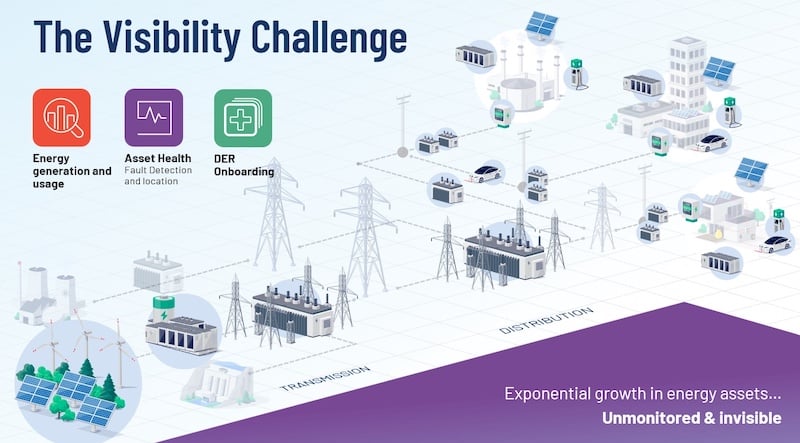
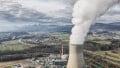
Figure 1. Visibility enables insights, which, in turn, can drive grid-scale intelligence.
Evolving Legacy Systems and Architecture
The energy grid, often described as the world's largest machine, was designed over a century ago in a hub-and-spoke model, where energy flowed in one direction—from large power stations to consumers. This centralized model suited the simpler, more predictable energy landscape of that bygone era.
However, this centralized grid model is growing increasingly inadequate. It cannot support increasingly dynamic energy demands, the integration of distributed energy resources (DERs), or provide the necessary resilience to disruptions. Enter the decentralized energy grid—a more interconnected network that incorporates small, distributed energy generation sources feeding into the larger grid. Its architecture supports bidirectional energy flows, enabling consumers to become prosumers, selling their excess energy back to the grid, and energizing new markets.
While this decentralized grid architecture promotes grid resiliency, it introduces a critical visibility challenge. The sheer number of behind-the-meter assets hinder effective monitoring, prediction, and real-time response to disruptions.
Visibility: The Key to Better Energy Management
Visibility enables insights, which, in turn, can drive intelligence. Comprehensive grid-scale intelligence is essential for managing the increasingly complex energy ecosystem. Visibility is vital to:
- Balance Energy Generation, Usage, and Storage: Ensuring energy resources are efficiently utilized and operational capacity is maximized
- Monitor Asset Health: Detecting, localizing, and predicting faults to avoid downtime and ensure safety
- Integrate Distributed Energy Resources (DERs): Maintaining power quality and grid stability while onboarding new assets.
- Leverage Prosumers: Empowering individual as well as industrial consumers to contribute to grid operations.
The grid needs to respond rapidly to shifting energy consumption patterns, disruptions, and anomaly detection. As the grid complexity increases accurate modelling of an energy grid’s physical and electrical connections becomes indispensable. This calls for enhanced coordination, continuous monitoring, and real-time intelligence.
Centralized Control and Distributed Control
Traditional intelligence systems, which rely on centralized data centres with high-bandwidth connectivity, offer economies of scale for data-heavy computation. However, they fall short when it comes to the ultra-low latency, power efficiency, and real-time performance required by the smart grid. Additionally, such system architectures have limitations with regards to optimal data privacy and security.
This is where distributed intelligence at the edge of the grid shines. The edge—the convergence of analog sensing and digitalization—enables multi-point decisions, offering more responsive, efficient, and secure solutions. By moving decision-making closer to the energy source, we can optimize grid operations and enhance resiliency.
Reliable grid intelligence requires identifying synergies between the complementary strengths of centralized and distributed control, delivering a flexible network architecture to optimize processing capabilities.
A Smarter Approach: Enabling Intelligence at the Edge of the Grid
The distributed nature of modern energy assets—such as renewable generators, storage systems, electric vehicles, homes, and industrial facilities—has given rise to the Intelligent Edge. Here, data from sensors and devices can be processed closer to the source of the data, allowing for faster, more accurate decision-making.
By enabling real-time insights at key points of the energy networks such as substations, battery packs, factories, EV charging infrastructure, etc.—intelligence at the edge improves resiliency, responsiveness, and operational efficiency.
Extending effective energy management to behind-the-meter applications is presenting a high-growth opportunity to empower individuals and businesses to participate in the energy transition. From data centers, to microgrids and home energy management systems, Intelligence at the Edge can improve energy efficiency, power quality, and cost savings, while delivering a sophisticated solution for prosumers.
Energy management is no longer solely about central control. It’s about empowering devices, sensors, and systems to make decisions at the point of need, driving the next level of grid optimization.
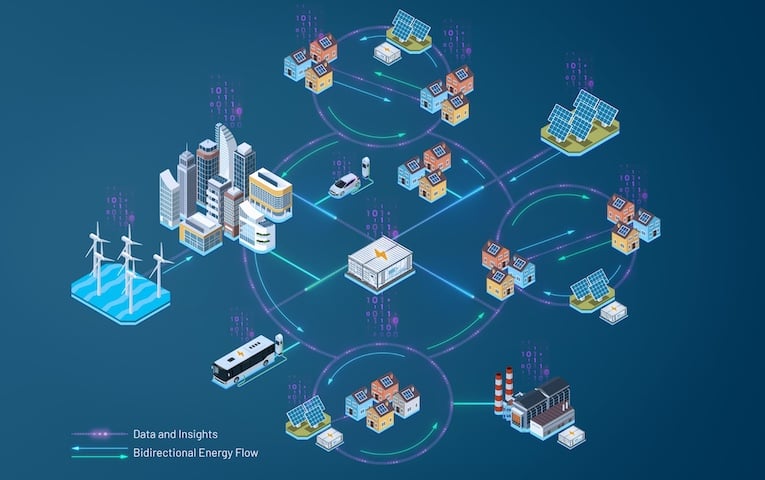
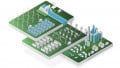
Figure 2. As distributed energy assets become widespread, the efficient management of electrical energy plays an even more critical role.
A Data-Driven Approach to Scaling Grid Modernization
Grid modernization is a massive, complex undertaking, but it is also an opportunity to unlock value through data-driven decision-making. We must leverage the existing infrastructure while increasing the number of energy measurement points, integrating new technologies to improve digitization, platform-ization, and co-creation of value.
A data-centric approach to grid modernization involves visibility across every level of the grid—from the transmission network down to the smallest distribution nodes and metering points. By collecting and analysing data, we can identify inefficiencies, optimize investments, and ensure more accurate impact measurement.
Key Opportunities to Energize Grid Modernization
To effectively modernize and maximize the utilization of the grid.
- Opportunity #1: Enable the adoption of DERs and the proliferation of electrified applications
Leverage foundational hardware platforms that simplify deployment and scale, to enable visibility. Analog Devices has developed key solutions across Power Conversion, Energy Management, and Energy Storage capabilities to help drive this transition. - Opportunity #2: Enable Edge Processing Capabilities
Structure and interpret raw data at the edge to enable real-time insights and distributed control. Simplify data complexities and architect networks aimed at establishing synergies between the complementary strengths of centralized and distributed processing. - Opportunity #3: Enable Grid-Scale Intelligence
Leverage a deeply connected and responsive network that optimizes applications specific processing at the cloud and the edge, to provide comprehensive intelligence across the grid by aggregating meta data.
Real-World Innovations Leading the Way to a Resilient, Sustainable Grid
The future of energy will be shaped by how we apply edge processing to drive innovation and the impact it has on our world. These technologies are already being applied to real-world scenarios:
- Renewable Generation: Optimizing output and integrating variable energy sources like wind and solar.
- Energy Storage Systems: Ensuring the efficient storage and dispatch of renewable energy.
- Transmission and Distribution: Monitoring and managing energy flow across vast networks.
- Smart Meters: Providing real-time consumption data to consumers and utilities; monitoring power quality.
- EV Charging Infrastructure: Integrating electric vehicle charging into the broader grid.
- Data Centers: Driving growth of data centers by enabling more adaptive energy consumption, and interactions with the energy grid
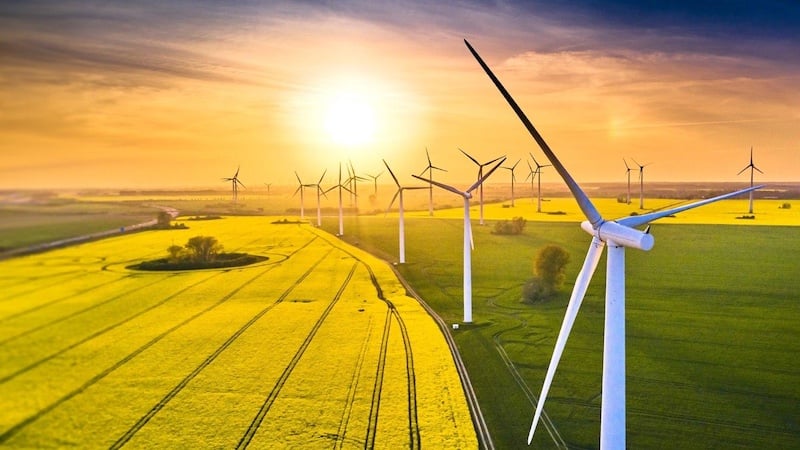
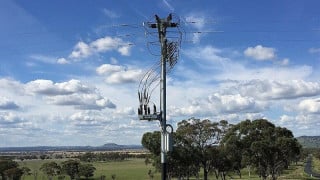
Figure 3. Analog Devices: energizing the future of the energy ecosystem
For over three decades, Analog Devices has been at the forefront of developing sensing, processing, and connectivity solutions that enable the intelligent edge. Our system-level design approach has enabled us to deliver innovations in renewable energy generation, energy storage systems, transmission and distribution, smart meters, EV charging infrastructure, and data centers.
As the energy industry accelerates its journey toward modernization, Analog Devices is uniquely positioned to deliver the essential solutions that will help create a smarter, more resilient, and sustainable energy grid. By leveraging our expertise across automotive, industrial, and data center markets, we are helping to drive the transformation of the energy grid into a center of intelligence.
All images used courtesy of Analog Devices.