Facebook
 Google
 GitHub
 Linkedin
How Mobile Transformers Help Strengthen Energy Supply Resiliency
The growing demand for electricity and the challenges of extreme weather and supply chain constraints are reshaping how the world approaches grid management.
The acceleration of renewable energy generation, rising electricity demand, and the growing frequency of disruptions due to extreme weather events are placing incredible stress on power grids. In response, utilities and energy producers are adapting to these challenges by modernizing infrastructure to ensure rapid response to outages. However, increased demand for transformers is putting pressure on supply chains, with lead times for larger transformer units extending to several years in some cases. This delay has pushed the industry to explore alternative solutions that provide both flexibility and resiliency.
One option to address this challenge is the deployment of mobile transformers, which offer a way to maintain service continuity during emergencies and planned maintenance. By providing a temporary but effective supply to the grid, mobile transformers can help energy providers address the evolving situations that affect the power industry.
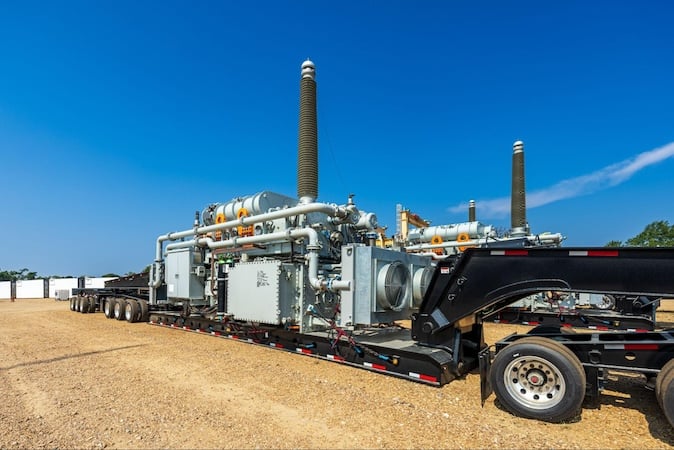
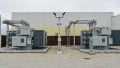
Mobile transformer ready to replace a failed unit until a future replacement can be procured.
Demand Growth
Grid modernization efforts are essential to keep pace with the changing energy landscape. As more renewable energy gets integrated into the grid, the complexity of managing power flows and maintaining stability increases. Traditional infrastructure, designed for centralized generation and predictable loads, is being tested by the variable nature of renewables and the surge in electricity consumption.
At the same time, more frequent and severe weather events—hurricanes, tornados, wildfires, ice storms, and heat waves—pose significant threats to power systems, causing outages that can last from hours to weeks. Developers like Avangrid have been exploring ways to restore power quickly while also ensuring long-term grid stability. In this evolving environment, the need for adaptable, rapidly deployable solutions has never been greater. Mobile transformers are a critical tool for managing both planned and unplanned disruptions efficiently.
Mobile Transformers in Grid Management
The power industry is still catching up to transformer capacity shortages. Supply chain disruptions, raw material constraints, and increased demand have extended lead times from months to years. This shortage has spurred utilities and developers to rethink their approach to transformer procurement and deployment.
Traditional transformers are essential but inflexible assets. They are typically custom-designed and engineered for specific applications, making them difficult to replace or relocate when disruptions occur. Mobile transformers, on the other hand, are engineered for versatility. They allow energy service providers to respond dynamically to changing grid conditions. Unlike standard transformers, mobile units are built to be rapidly deployable. They can be transported, installed, and energized within weeks, significantly reducing downtime compared to traditional replacements.
Designed for mobility, they are compact and durable, making them easier to transport across varying terrains and resistant to the physical stresses of travel. By deploying mobile transformers, they can maintain grid stability while waiting for permanent infrastructure repairs or replacements, minimizing service interruptions and mitigating financial losses associated with outages.
The ability to move transformers wherever and whenever they are needed makes them a valuable asset in strengthening grid resiliency. This adaptability can provide peace of mind to energy companies of all kinds, knowing that they have a reliable, short-term solution in place while working towards permanent grid reinforcements. These turnkey mobile units can be strategically stored in key locations, allowing for faster deployment when and where they are needed most. This proactive approach means that instead of worrying about prolonged power disruptions that could impact projects and customers, developers and utilities can focus on long-term infrastructure planning with confidence that mobile transformers are ready as backup solutions in case of unexpected failures or events.
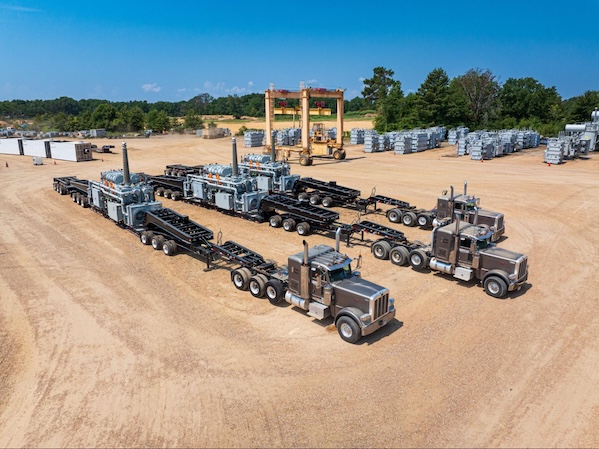
Mobile transformers are a turnkey solution that is stored and maintained by Hitachi Energy until it's needed.
Engineering Considerations
It’s important to note that these transformers need to be designed for specific mobile use cases that enable the level of agility necessary in a crisis. This requires that mobile transformers be highly versatile, with a light yet hardened structural design, can support multiple voltages, and be coupled with a service model that can address complex logistical requirements.
Designing mobile transformers requires a unique set of engineering considerations to ensure they meet the demands of real-world deployment scenarios. One key factor is multi-voltage flexibility. Grid operators must manage a variety of voltage levels, particularly when integrating distributed energy resources seamlessly into the grid - such as the standard 34.5 kV internal grid of the wind/solar park to the transmission voltages of 345-230-161-138-115-69 kV. Mobile transformers must accommodate these varying requirements, supporting standard transmission voltages while also providing tertiary voltages to adapt to local auxiliary systems. This flexibility ensures they can be deployed in diverse locations without requiring extensive modifications.
Transport and deployment optimization is another crucial consideration. Traditional transformers are highly sensitive and require specialized handling, whereas mobile transformers are designed for agility. A low-profile design makes them easier to transport on specialized trailers and railcars. Their reinforced structure allows them to withstand the stress of G-forces from acceleration and deceleration, sharp turns, and uneven terrain. At the same time, rapid stabilization features enable quick installation on different ground conditions. These design elements ensure that mobile transformers can be moved on short notice and installed with minimal delays, making them invaluable in emergency response situations.
Deploying a transformer involves complex logistical and regulatory challenges, which not all utilities and developers have the in-house expertise to manage. A turnkey service model, where the manufacturer handles storage, permitting, transport, installation, and commissioning, can significantly reduce the burden. By outsourcing these responsibilities to experts, utilities and developers can focus on their core mission of delivering reliable electricity to consumers while ensuring mobile transformers are deployed quickly and effectively.
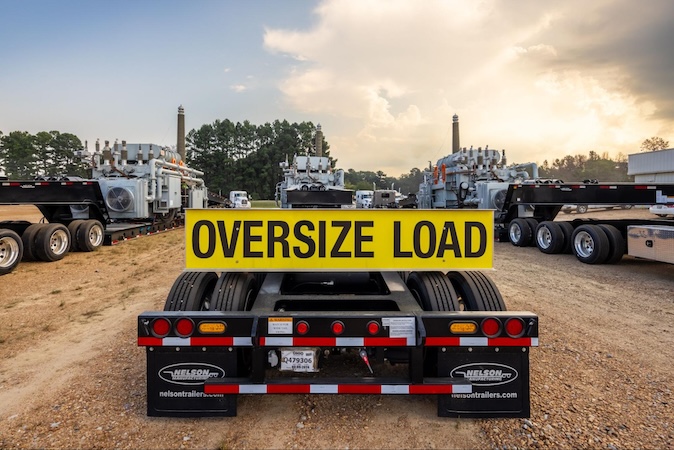
Specialized trucking is required for the heavy transformers.
Avangrid’s Mobile Transformer Deployment
Avangrid, a leading U.S. energy producer, has already integrated a mobile transformer from Hitachi Energy into its fleet. This 168 megavolt-ampere (MVA) unit, purchased last year, represents a major step forward in grid resiliency. Stored at a Hitachi Energy facility in Mississippi, the mobile transformer can be dispatched to any of Avangrid’s energy-generating facilities within weeks. This capability allows Avangrid to maintain grid stability without waiting months or years for a permanent replacement.
When needed, Hitachi Energy’s Transformer Services team oversees all aspects of deployment, including route planning, permitting, transport logistics, and on-site installation. By managing these processes, the team ensures that the transformer is deployed, set up, and fully integrated with the local grid as quickly as possible. This level of support not only enhances Avangrid’s ability to respond to outages but also demonstrates how mobile transformers can be a strategic asset for energy integration.
Mobile Transformers Enable Grid Resiliency
The power industry is undergoing a fundamental transformation driven by the shift toward distributed energy resources, rising electricity demand, and increasing climate-related disruptions. Grid operators must adopt new technologies and strategies to ensure reliable and resilient power. Mobile transformers are emerging as key enablers of this transition. By providing a flexible, rapidly deployable solution for grid management, they help utilities and developers minimize downtime during outages, planned maintenance, and infrastructure upgrades. Their ability to support diverse voltage levels and integration scenarios enhances grid flexibility, while their role as an alternative to long transformer lead times helps overcome supply chain constraints.
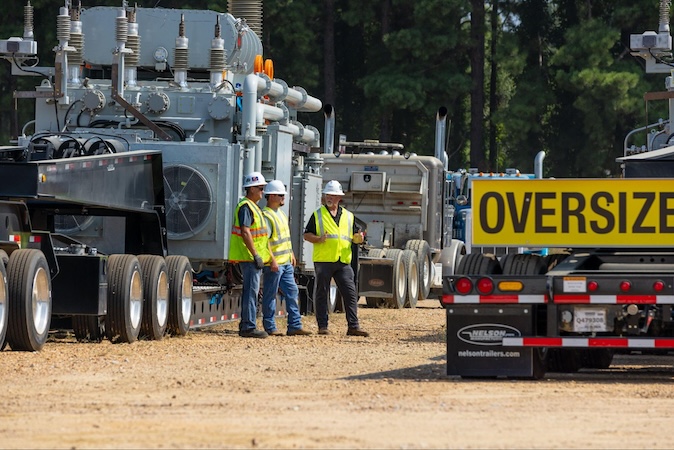
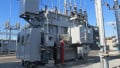
Hitachi Energy's Transformer Services team overlooking the mobile transformers.
As the industry continues to evolve, mobile transformers will be increasingly vital to ensuring grid reliability and supporting the clean energy transition. Their ability to be rapidly deployed, integrated, and redeployed makes them an invaluable tool to enhance grid resiliency in an unpredictable world.
The growing demand for electricity and the challenges of extreme weather and supply chain constraints are reshaping how the world approaches grid management. Mobile transformers are proving to be a game-changer, offering a versatile, scalable solution to keep power flowing in even the most challenging conditions. By leveraging mobile transformer technology, companies like Avangrid and Hitachi Energy are demonstrating how innovation can drive resilience and reliability in the evolving energy landscape. As the transition to a cleaner, more decentralized grid continues, mobile transformers will remain a critical asset in building a stronger, more adaptive power system.