Facebook
 Google
 GitHub
 Linkedin
Seven Steps to Ensuring Product Electrical Safety Compliance
This article provides developers with step-by-step guidance in qualifying new electrical products for safety compliance certification.
Introducing a new electrical product to the market is exciting, but ensuring it's safe to use is critical. Complying with safety standards ensures marketability, protects user safety, and creates trust. This guide describes a seven-step process for qualifying new products for electrical compliance certification.
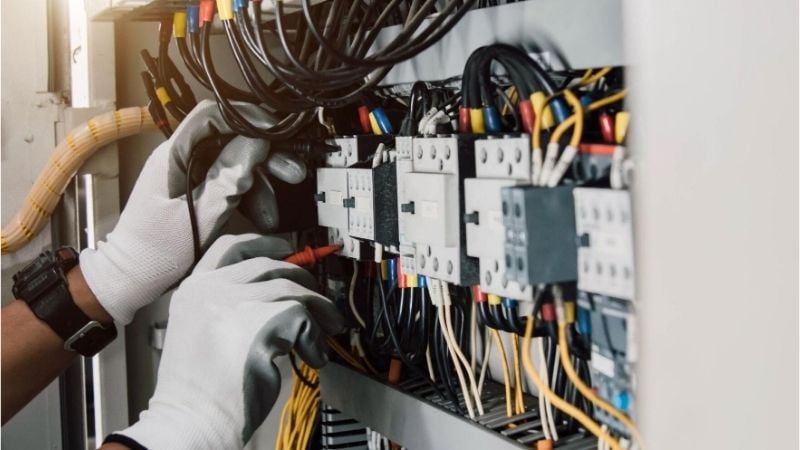
Figure 1. Electrical safety testing. Image used courtesy of Adobe Stock
Step 1: Understand Applicable Standards
The first step to ensuring electrical safety compliance is determining what standards apply to your product. These differ by region and product. For example, in the U.S., standards include Underwriters Laboratories standards (e.g., UL 60950 for IT equipment, and UL 60335 for household appliances). In Europe, the CE mark and standards, such as IEC 62368-1 (for audio/video equipment), are critical. Standards for investigation by such organizations as the International Electro-technical Commission (IEC), UL, or the European Committee for Electrotechnical Standardization (CENELEC).
Look at local regulations, such as the EU’s Low Voltage Directive, to confirm that your product complies with market expectations. It can be expensive to fall short of compliance, so seek the advice of experts or certification bodies at an early stage.
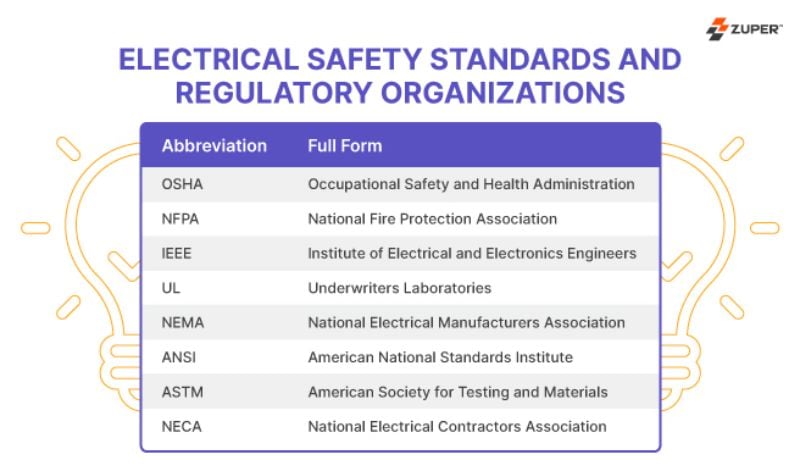
Figure 2. Electrical safety standards and regulatory organizations. Image used courtesy of Zuper
Step 2: Design with Safety in Mind
Once you know the standards, create your product to satisfy them by establishing safety measures like insulation, grounding, and overcurrent protection. For example, ensure any power supplies or circuit boards meet voltage and thermal requirements. Use products resistant to fire and electrical hazards, according to standards (e.g., UL 94 for flammability). Bring in compliance-savvy engineers to prevent missing anything. Document all design choices; the certification bodies will want evidence that safety was foremost in consideration from the beginning. The human touch here strikes the right balance between user safety and usability.
Step 3: Conduct Risk Assessments
A comprehensive risk analysis is necessary for electrical safety conformity. Look for any potential dangers that may cause an electric shock, overheating, or fire. Employ aids such as Failure Modes and Effects Analysis (FMEA) to assess how a failure might affect users. For instance, consider what would occur when a customer misuses a component or the product. Mitigate these risks with design changes or by warning users through a manual. This step demonstrates to certification bodies that you've taken proactive steps to reduce the dangers, a critical need for standards, such as IEC 61010 for laboratory equipment.
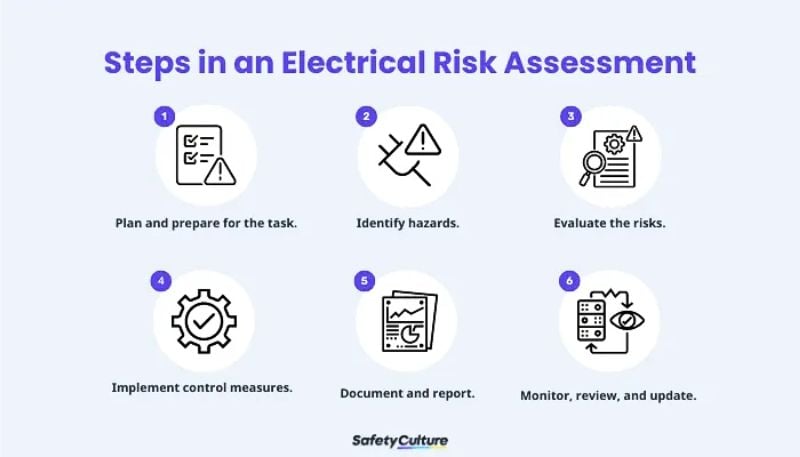
Figure 3. Steps in an electrical risk assessment. Image used courtesy of SafetyCulture
Step 4: Test the Prototype
Develop a prototype and gauge its performance using the established criteria. This may be done in-house or sent to a third-party lab. Typical tests are electrical insulation checks, dielectric strength tests, and temperature rise analyses. For example, many UL standards mandate that products remain operational after being tested through specific voltage surges. Document meticulous test results, which will be scrutinized during certification. If there are problems, improve the design and test again. This iterative cycle allows your product to reach safety criteria before conducting an official evaluation.
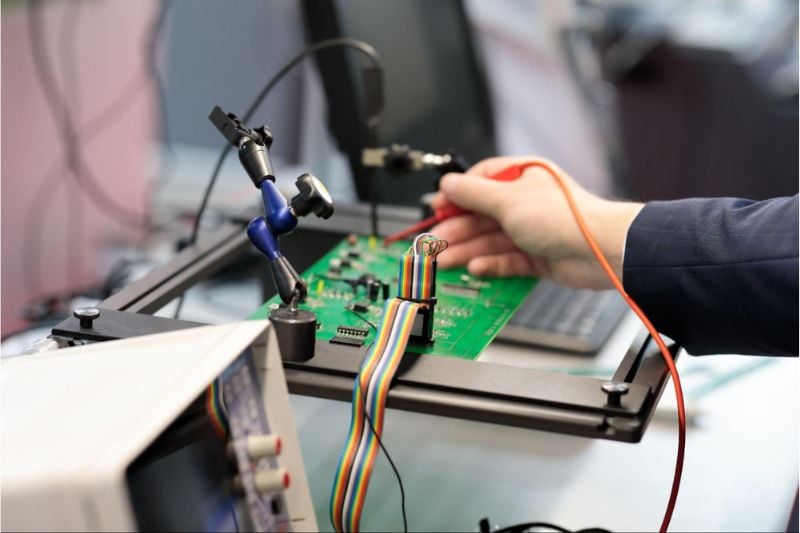
Figure 4. Prototype testing. Image used courtesy of Adobe Stock
Step 5: Engage a Certification Body
Engage with a reputable Certification Body such as UL, TÜV Rheinland, or Intertek to confirm this compliance. Send your product's technical documentation, such as schematics, test results, and risk analysis. The certification body will conduct independent tests and, in many cases, will repeat your prototype tests to ensure no discrepancies occur. They can also check the production processes to maintain quality. This process can take weeks or months (the cleaner and simpler the product, the quicker the process), so make sure you hustle while getting everything in place. Human communication in this context might involve talking openly with your certification body and avoiding waiting delays.
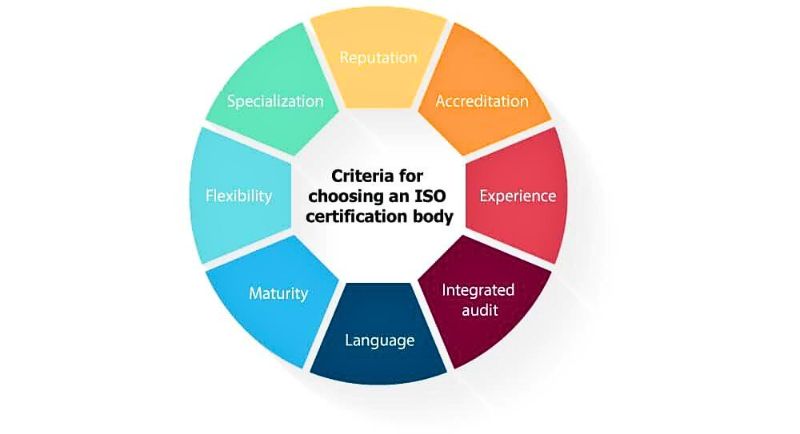
Figure 5. Certification body criteria. Image used courtesy of Advisera
Step 6: Obtain Certification and Labeling
After successfully testing your product, you will receive a document (e.g., a UL Mark or CE Declaration of Conformity) from the certification body stating that your product is certified. You’ll also get instructions on labeling your product with the correct safety marks, which indicate compliance to consumers and regulators. Ensure the labels are durable and readable (as per UL 969 for marking durability). This is the final step in making your product legally marketable.
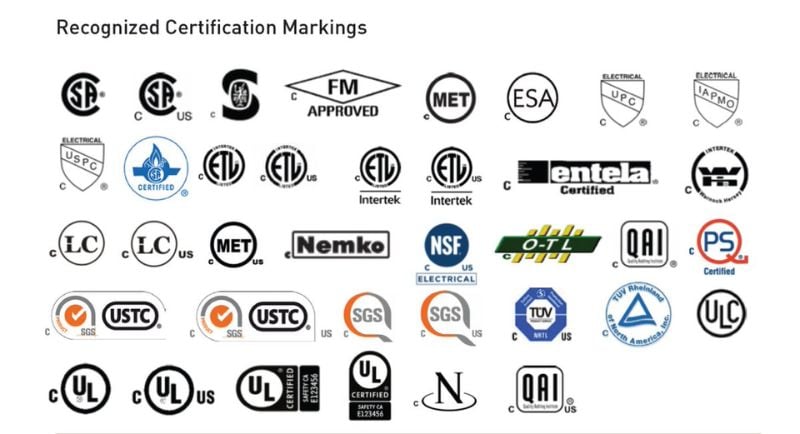
Figure 6. Certification and labeling. Image used courtesy of Electrical Safety Authority
Step 7: Maintain Compliance
Compliance isn't a one-time task. During production, take measures for quality control to ensure that safety standards are followed. Regular audits or retesting could be necessary to maintain the validity of certification, particularly if you change the product. Keep abreast of developing standards, as regulations like the EU RoHS Directive can be updated. A human touch requires investment in user safety to keep your product trustworthy.
Electrical safety certification is an arduous, but necessary, process to go through. Taking these steps—knowing standards, designing safely, risking with an assessment, testing with prototypes, involving certifiers, labeling correctly, and sustaining compliance—will ensure that your product is safe, legal, and ready to market. This process protects your clients and creates a standard for quality and dependability in a challenging market.