Facebook
 Google
 GitHub
 Linkedin
California Plans Nation’s First 5G Power Grid
Southern California Edison will modernize its grid with a low-latency, high-bandwidth 5G network from Nokia.
Southern California Edison (SCE) and Nokia have installed the nation’s first private 5G network to enable high-bandwidth communications between substations, power lines, field devices in feeder circuits, and other equipment. This capability streamlines SCE’s real-time monitoring, smart meter data collection, and remote asset management to ensure reliable grid performance.
The network brings a blueprint for other utilities seeking high-tech solutions to manage distributed energy resources (DER) and renewables in power systems. Offering wide area coverage flexing between speed and latency, 5G technologies are an attractive grid-resilience tool for large providers like SCE, which serves over 15 million customers across California.
Nokia’s converged Field Area Network (FAN) lets SCE prioritize high network performance for critical latency-sensitive services, such as equipment control and emergency response, during peak demand. The new 5G system incorporates network slicing, a configuration feature enabling multiple virtual networks on a physical one. This gives SCE the flexibility to allocate resources on demand, streamlining its DER integration and renewable energy management.
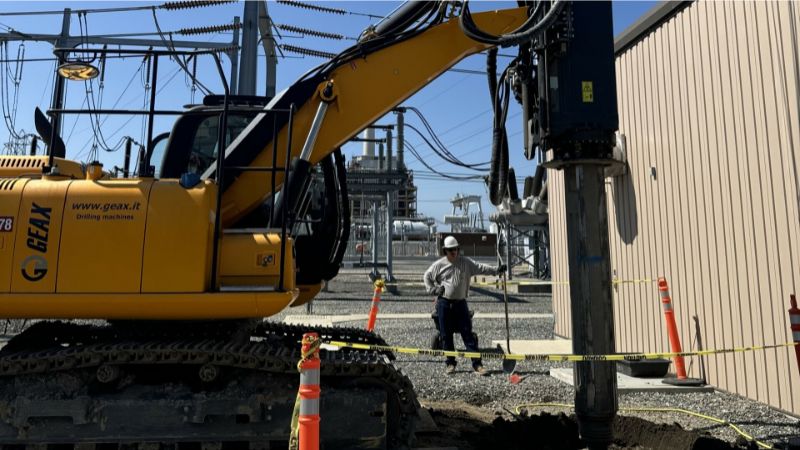
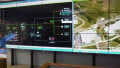
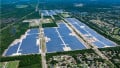
SCE installed a 5G Field Area Network to improve grid flexibility. Image used courtesy of SCE/by Carlos Carazo
5G Supercharges SCE’s Grid Modernization Efforts
SCE aims to deliver 100% carbon-free power by 2045, consistent with state targets. In the last decade, the utility has steadily built one of the largest energy storage portfolios to balance fluctuating energy supply and demand from wind and solar plants.
Like many utilities, SCE is experiencing unprecedented DER growth across its grid. It interconnected 96,261 behind-the-meter solar-only installations in 2023 alone, according to its sustainability report. Small-scale resources like rooftop solar panels, home electric vehicle chargers, and smart thermostats can lend additional flexibility to SCE’s grid operations.
However, this transformation requires a modernized network, thus forming the basis for SCE’s decision to replace its aging mesh radio communications system (NetComm) with a private 5G/LTE network. SCE spent $119 million in 2020 to secure 20 Citizens Broadband Radio Service priority access licenses, which allowed it to tap into 10 MHz channels within the mid-band spectrum (3.5 GHz)—an ideal range for long-distance communications. SCE began FAN deployment last year, establishing the first Radio Access Network (RAN) site and network core.
According to SCE’s Grid Modernization Progress Report filed earlier this year, FANs can connect over 250,000 devices and reduce data transfer delays from a few minutes under NetComm to a few seconds. The FAN transition involves building and commissioning over 800 RAN sites across its 50,000-square-mile service territory and migrating all existing 30,000-plus devices.
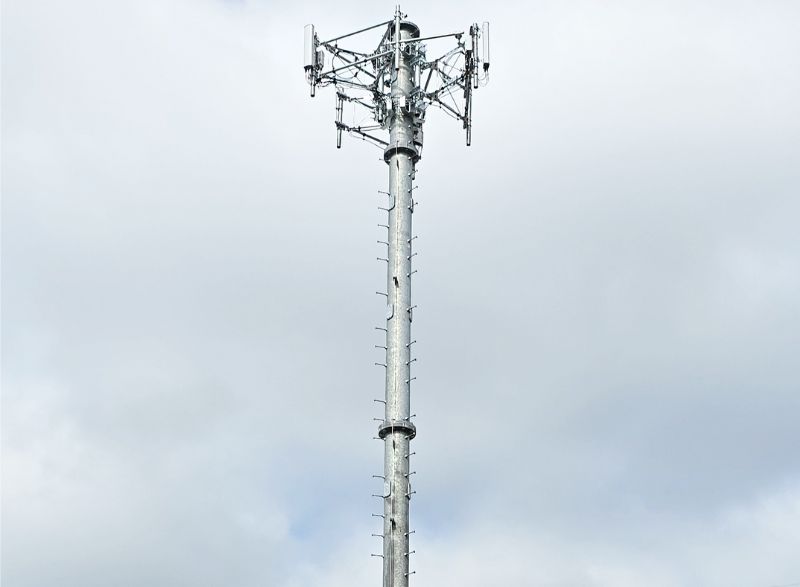
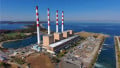
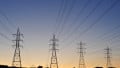
SCE and Nokia launched a 5G network to streamline electric equipment communications. Image used courtesy of SCE/by Carlos Carazo
SCE has adopted artificial intelligence and machine learning systems to automate data collection and integration, including using field drones for imaging.
Nokia and Private 5G Networks
Nokia’s private 5G system provides a foundation for utilities to automate operations and integrate DERs, renewables, and smart grid devices to boost flexibility. Its converged FAN combines industry-standard LTE and IP/MPLS, allowing utilities to incorporate quality-of-service assurance and security functions into their FAN.
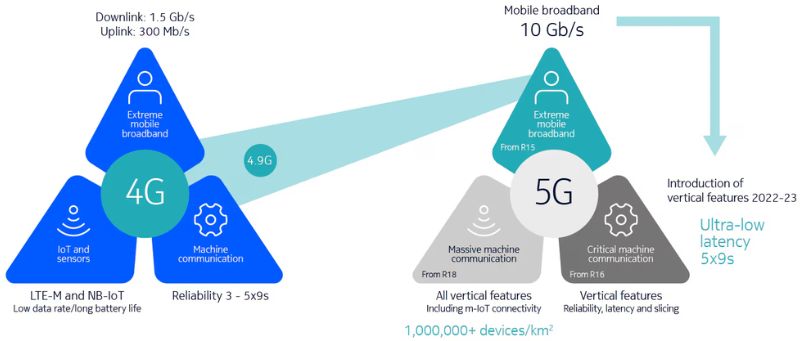
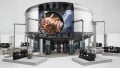
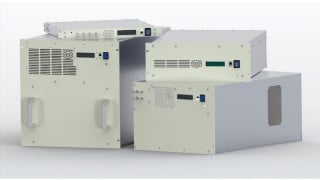
Nokia is helping utilities transition from legacy wireless networks to 5G. Image used courtesy of Nokia
Through network slicing, Nokia’s private 5G FAN fast-tracks high network performance to critical grid functions on demand. The capability complements SCE’s increased use of smart grid systems, advanced sensors, and real-time grid monitoring to reduce outages and resolve problems faster.
The SCE network is an early step in Nokia’s 5G FAN expansion for the energy sector. The company previously installed private LTE networks for Xcel Energy and Iberdrola-Elektro, among other utilities. It is taking those efforts further by helping utilities switch from legacy communication systems to private radio networks utilizing 4.9G and 5G.