Facebook
 Google
 GitHub
 Linkedin
Industry White Papers
Understanding the Role of Capacitors and Supercapacitors in Energy Storage Systems
Jul 01, 2025 by Shanghai Yongming (YMIN)
Energy storage systems (ESSs) are a cornerstone technology that enables the implementation of inherently intermittent energy sources, such as wind and solar power. When power outages occur, ESSs also serve as backups for critical infrastructure. The power management systems, including converters, rectifiers, and inverters, regulate the AC and DC voltages going to the various subsystems within these applications. These regulators rely on discrete capacitors to filter and smooth out ripple to ensure stable and clean voltages are delivered.
While batteries are a key platform for ESSs, the energy-dense electrochemical device also allows for long-term energy storage that can be sequestered over time. There are alternative technologies that supplement batteries well, making for robust hybrid ESSs (HESSs). Some examples include hydrogen fuel cells, uninterruptible power supplies (UPSs), and supercapacitors (SCs)
This article discusses the role of capacitors and SCs in these HESSs. It also reviews the various aluminum electrolytic, hybrid electrolytic, and SC Shanghai Yongming (YMIN) solutions and the benefits of this technology within ESS applications.
Capacitors in ESSs
Photovoltaic (PV) arrays and wind turbines rely on ESSs to provide stable power to the microgrid. Figure 1 illustrates how a solar installation can utilize either string or micro-inverters. String inverters convert the incoming DC from a string of PV panels to AC. Alternatively, microinverters operate on an individual PV-panel scale and are connected to supply the main power or charge a HESS via an AC/DC converter.
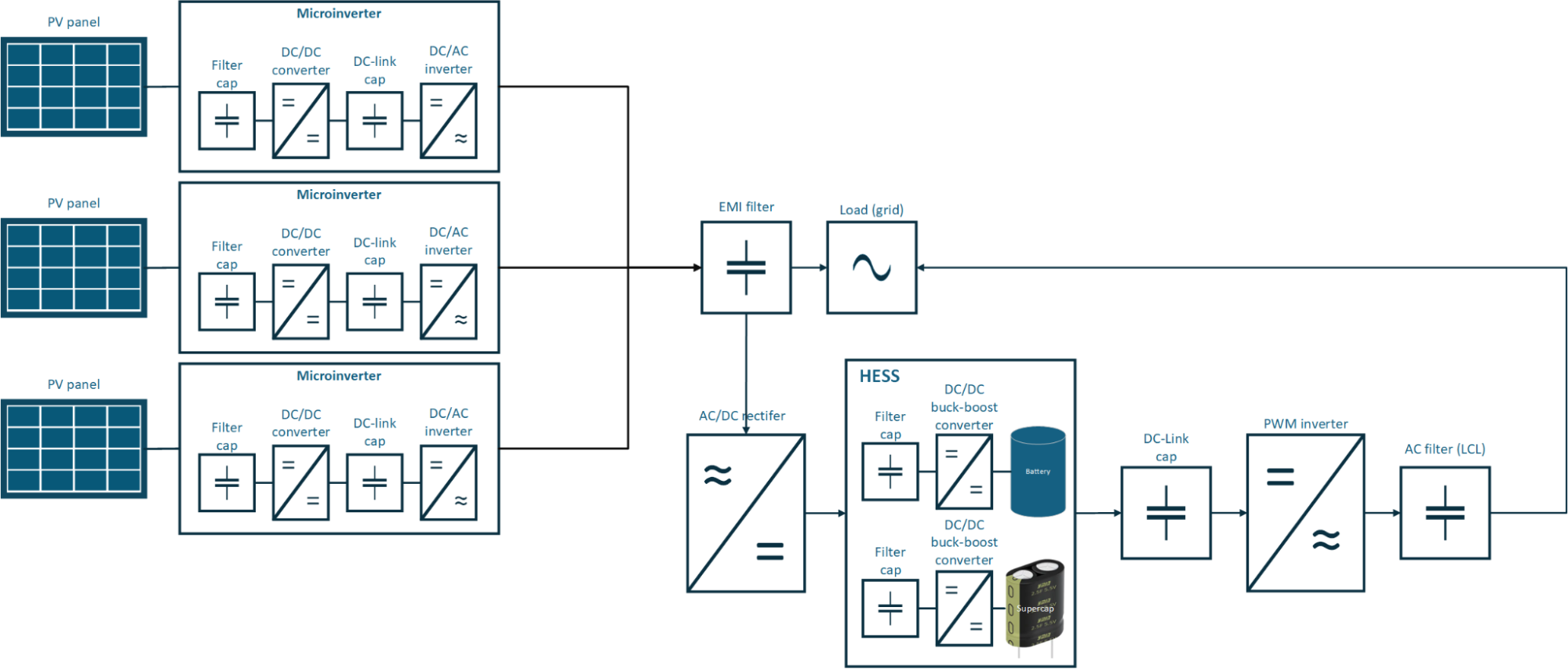
Figure 1. Conceptual solar installation block diagram with microinverters and HESS.
Figure 2 presents a basic block diagram of a solar installation with a list of commonly required capacitors. Capacitors are necessary at the input and output of inverters and converters. At the input, filter capacitors remove the ripple current often supplied by the converter or inverter, increasing both radiated and conducted emissions. Input filter capacitors help reduce ripple current, allowing the output capacitor to manage it while also stabilizing the bus voltage during transients. Typically, a combination of capacitors is used, including low-ESR ceramic capacitors to reduce ripple current and high-capacitance bulk capacitors, like aluminum electrolytics, to stabilize bus voltages during transients. These filter capacitors are also used for the DC/DC regulation required to charge/discharge the battery and SC in a HESS. When energy is needed from the HESS, a stabilized DC voltage is provided through the DC-link capacitor.
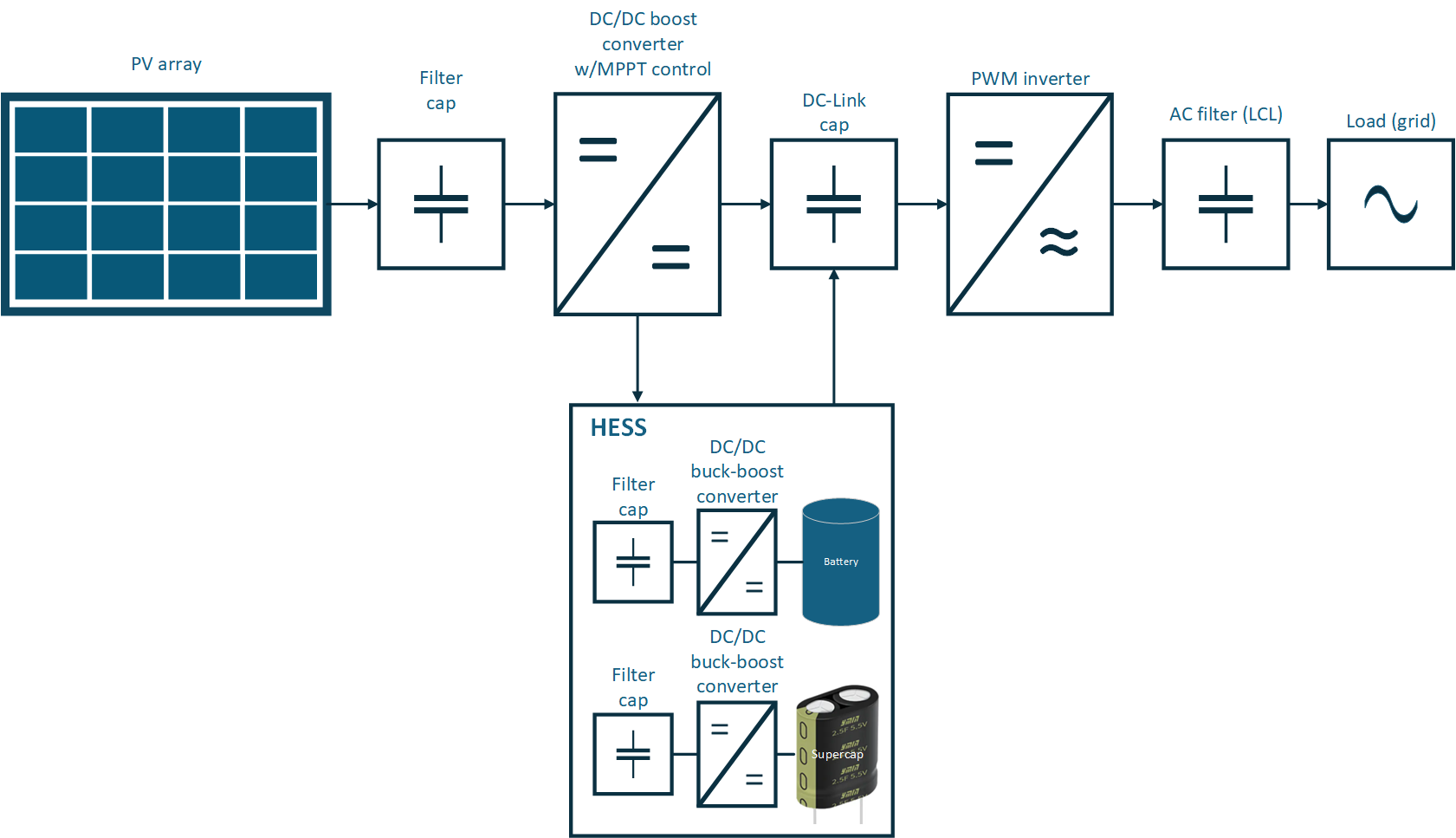
Figure 2. Solar installation block diagram with larger PV inverter (e.g., string inverter).
At the output of the converter or the input of the inverter, capacitors are necessary to remove voltage ripple and minimize perturbations in the DC-link voltage that may cause instability in the feedback loop or maximum power point tracking (MPPT) algorithm through the PV voltage. DC-link capacitors stabilize the ripple from the downstream inverter (Figure 2) to prevent any impact on the initial stages (PV voltage, converter). These capacitors must have a high ripple current tolerance and capacitance, ensuring they meet the bulk capacitance requirements for stabilizing the DC voltage supplied to the inverter and/or charging the HESS.
At the inverter’s output, a harmonic filter is required to produce a regulated AC output that can be supplied to the grid. This filter blocks harmonics from the pulse width modulation (PWM) inverter. Often, this is composed of inductors and capacitors (e.g., LCL) to form a low-pass filter. A high capacitance may be necessary for larger solar/ wind inverter systems to meet the system’s power requirements.
Very similar principles are leveraged with wind power. Changing wind speeds produce a variable AC voltage that requires a control algorithm to adjust the voltage to a regulated DC power, as shown in Figure 3. This voltage is then sent back to the load via an inverter and AC filter. All input and output capacitors smooth ripple, filter out harmonics, and suppress transients.
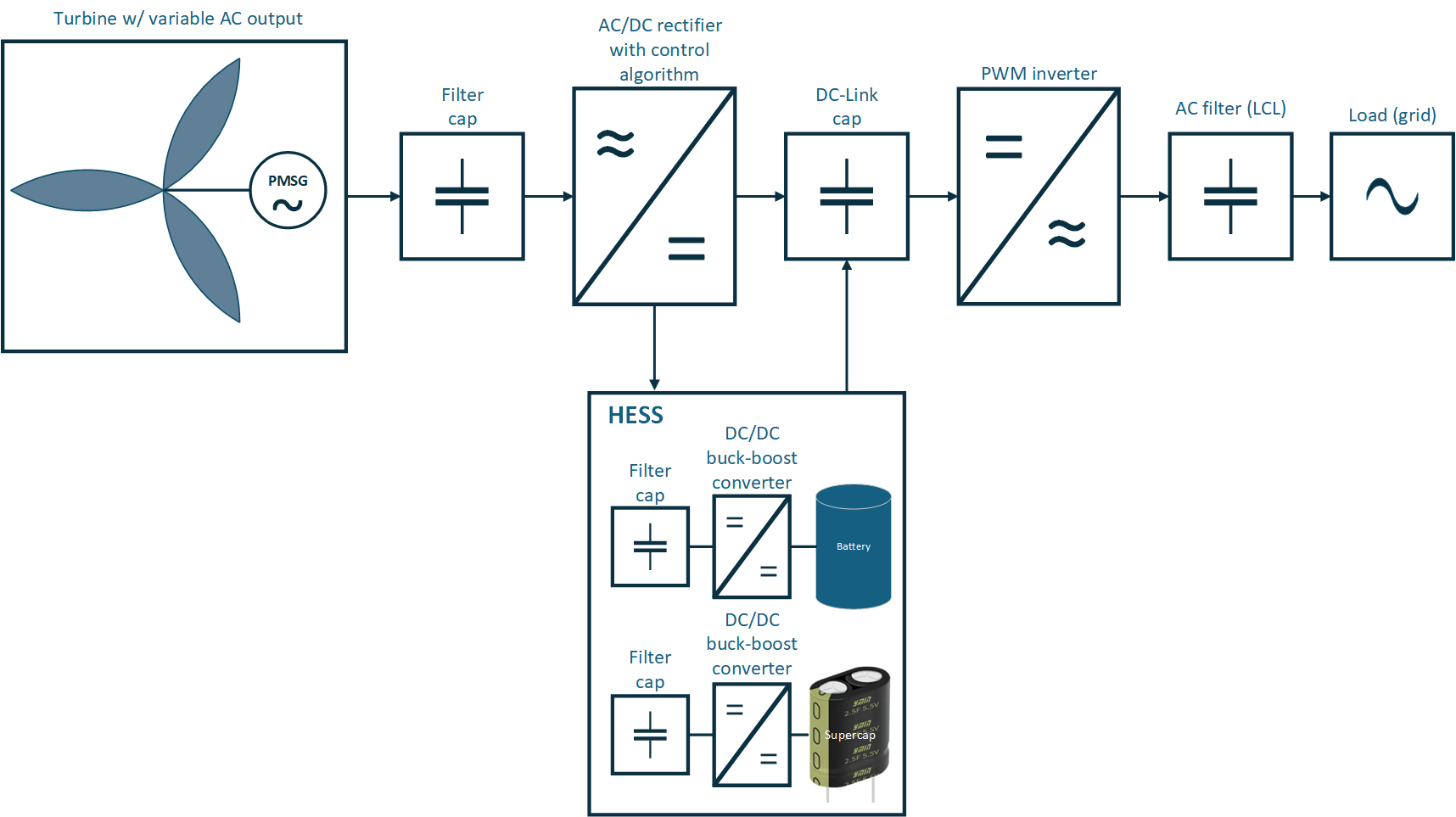
Figure 3. Wind turbine installation with HESS and requisite capacitors. w/ supercap: isolated bidirectional DC/DC converter
Supercapacitors in ESSs
HESS: DC Bus Support
As mentioned in the previous section, SCs are commonly deployed along with batteries in HESSs, striking a balance between the steady supply of energy from the battery and the instantaneous supply from the SC. While SCs are not as energy-dense as their battery counterparts, this technology is highly power-dense, with much faster charging and discharging. Unlike standard capacitor technologies, which support power electronics for ripple reduction, smoothing, and high-frequency transient suppression, SCs are designed to maximize energy storage and retention with minimal leakage current. To do this, the parameters in Equation 1 are optimized to maximize the charge:

Where:
- C is capacitance
- ε0 is the permittivity of the vacuum
- εr is the relative permittivity of the dielectric
- S is the specific surface area of the electrodes
- D is the distance between the electrodes.
To increase C, you need to increase S as much as possible and decrease D to a distance on the order of Angstroms. Electric double-layer capacitors (EDLCs), a type of SC, use an electrical double layer at the electrode-electrolyte interface that creates the effect of two capacitors in series, thereby doubling the capacitance (Figure 4).
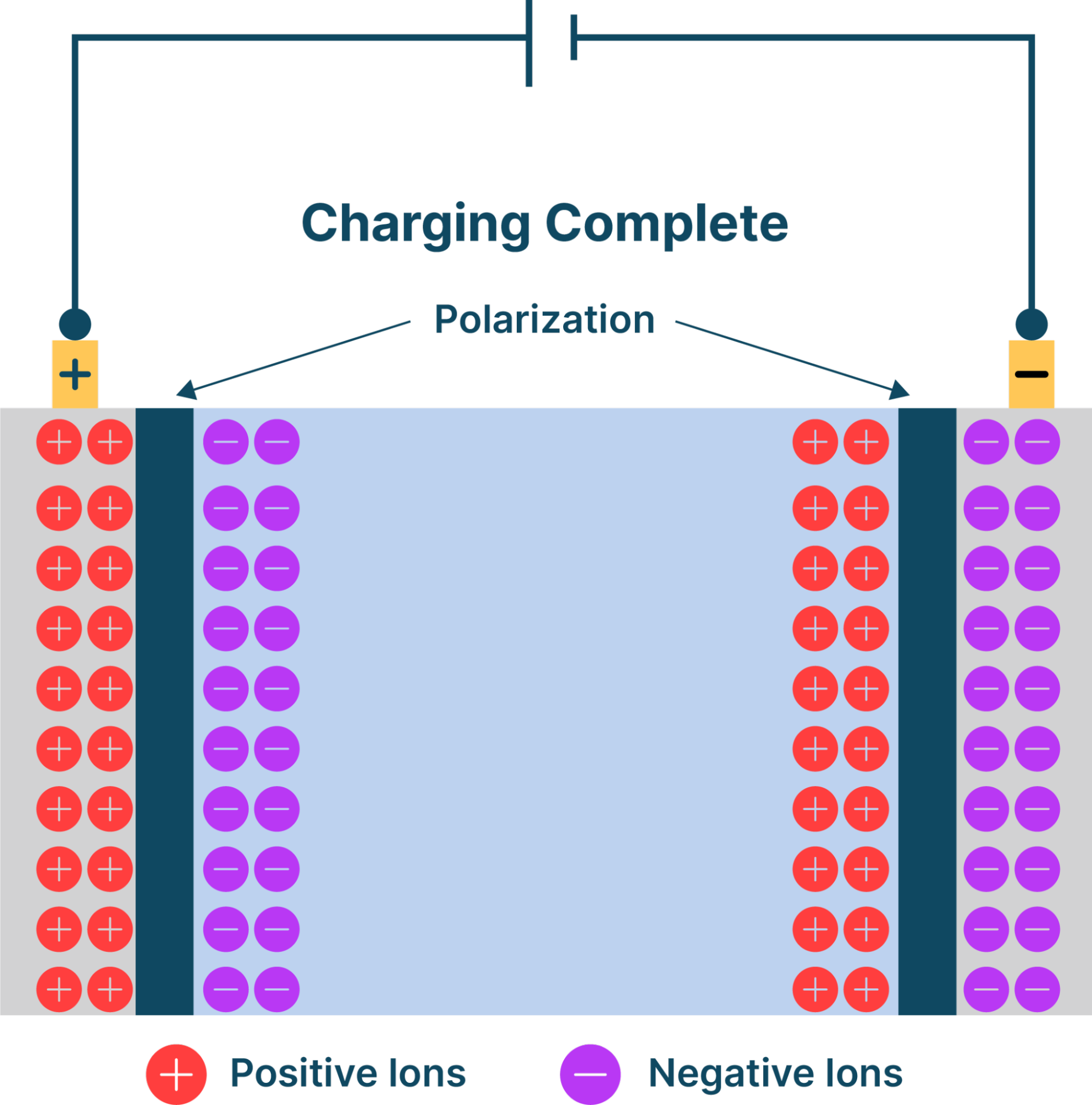
Figure 4. Basic EDLC diagram.
The introduction of EDLCs enables the HESS to supply the DC microgrid with a stable and fast-responding power that sustains a high input current and smooths complex power fluctuations. With SCs integrated into HESSs for renewable applications, microgrids can absorb and release energy on demand. SCs will also maximize the lifetime of the integrated battery and are often used in tandem with lithium ions to:
- Reduce the peak current on the battery and absorb energy more efficiently
- Reduce the charge/discharge current of the battery, which lowers increased battery temperatures caused by large rate charges/discharges.
RTC and Memory Backup
On a smaller scale, SCs can perform volatile memory and real-time clock (RTC) backups in the various power supplies found in these renewable installations. RTCs are critical in maintaining precise timekeeping during power interruptions, as batteries often cannot supply instantaneous power in time, thus degrading performance.
Volatile memory such as DRAM or flash memory loses data when the power supply is interrupted. Without a quick backup plan, restoring stored data to volatile memory from slower external storage can take hours after power is returned. In the worst-case scenario, the memory is lost. Instead, in the event of a power interruption, an SC allows the transmission of volatile memory’s stored data to non-volatile memory, meaning the data can be returned quicker once power is restored.
The Benefits of YMIN Capacitors for ESSs
Table 1 highlights the fundamental differences between the YMIN capacitor series according to capacitance, operating temperature, rated voltage, operational life, and more.
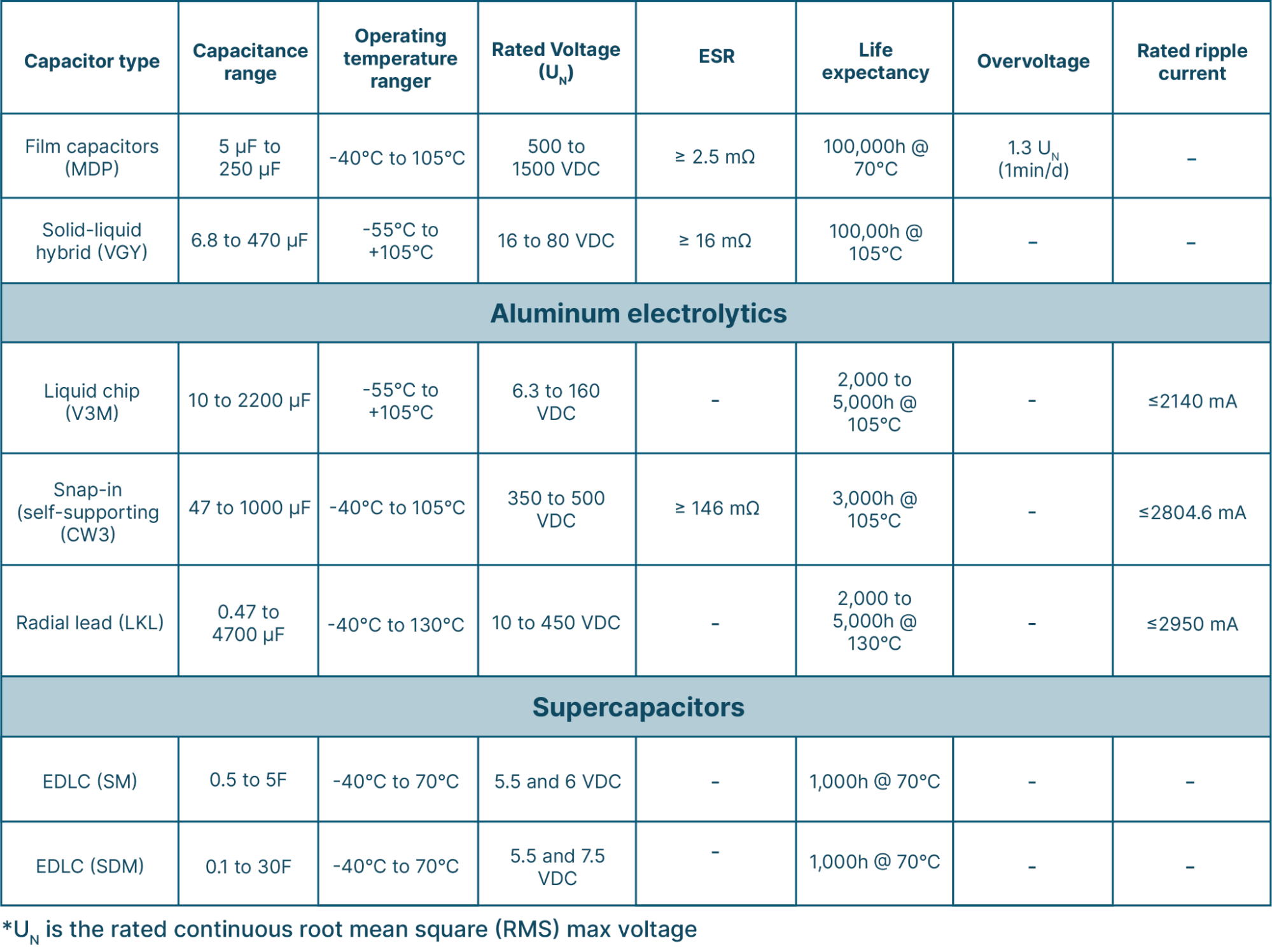
Table 1. Specifications of YMIN capacitors that are well-suited for ESSs.
YMIN Aluminum Electrolytics
Aluminum electrolytic capacitors have the inherent benefit of a high capacitance density, allowing for high electrostatic capacitance in a relatively small space. However, they come with lifetime considerations; capacitors operating at high temperatures eventually undergo electrolyte vaporization, leading to a drop in capacitance and an increase in ESR.
For this reason, it is important to ensure that capacitors operate within their specified temperature range. YMIN offers radial lead, snap-in (self-supporting), and surface mount options. Each capacitor has a varying capacitance, operating lifetime, and ripple current rating. YMIN’s V-CHIP products specialize in low-profile, high-capacity aluminum electrolytic capacitors. These are automotive-grade (AEC-Q200) with high capacitance densities and rated voltages. These aluminum electrolytic capacitors are surface mount devices (SMDs) and offer the advantages of miniaturization, relatively high stability, and a very high capacity.
.png)
Figure 5. YMIN’s various aluminum electrolytic capacitors for ESSs. Pictured from left to right: snap-in, liquid chip, radial lead.
YMIN Film Capacitors
Film capacitors are composed of a dielectric material, such as polyester or polypropylene, that is optimized for dielectric constant and loss tangent to improve ESR. All materials within the capacitor must be optimized for thermal conductivity and specific heat capacity to ensure thermal performance, including capacitance stability across temperature variations and overall durability. Metalized polypropylene film capacitors, like the MDP series, have low dielectric losses and high long-term stability, as demonstrated by their extended lifespan. This series can be well-suited for specific DC-link and filtering applications that require a lower ESR and longer lifetime.
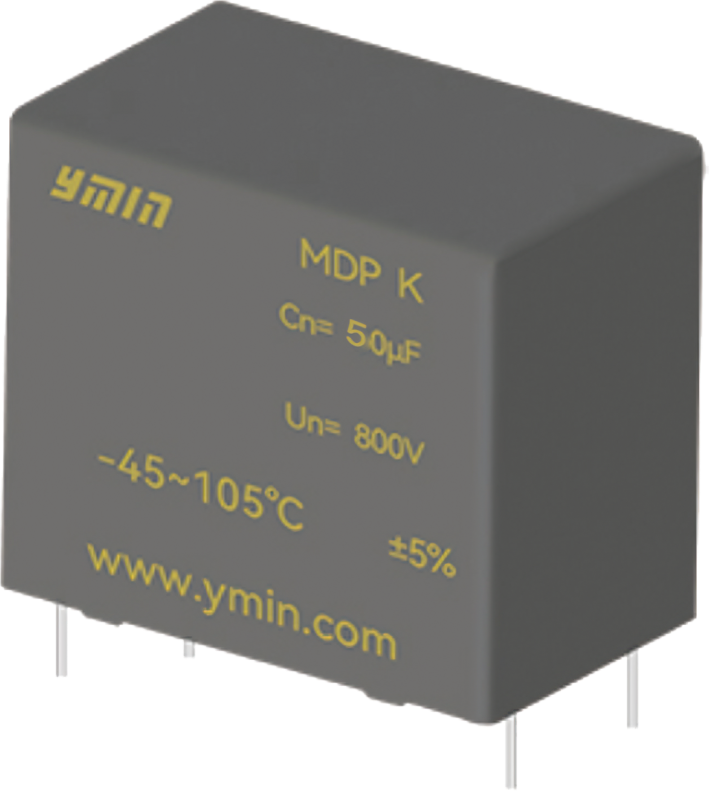
Figure 6. YMIN film capacitor geared toward ESSs
YMIN Solid-Liquid Hybrid Capacitors
The automotive-grade polymer hybrid aluminum electrolytic capacitor (PHAEC), or VGY series, combines aluminum electrolytic capacitors and organic electrolytic capacitors to enable a high ripple current handling and high capacitance in a compact size. This combination allows for the high electrostatic capacitance of electrolytic solutions and the low ESR of polymer technology. The PHAEC is more reliable than many aluminum electrolytic solutions and has a much higher operational lifetime in high ambient temperatures and vibrational strain (guaranteed 10,000 hours at 105oC).
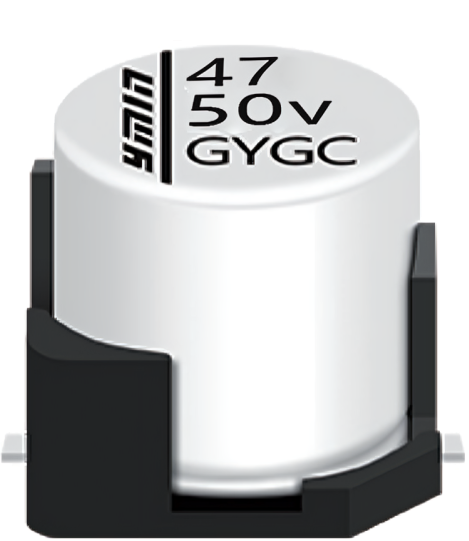
Figure 7. YMIN solid-liquid hybrid capacitors combine aluminum electrolytic and organic electrolytic capacitors for ESS use.
YMIN EDLCs
EDLCs can operate for more cycles than the average battery and withstand operating temperatures beyond lithium ions or lead-acids. Apart from requiring bidirectional DC/DC conversion, EDLCs can function without complex management systems or processing algorithms to control temperature. YMIN EDLCs have a low internal resistance and low leakage current (> 2 µA) to ensure high storage retention. They can also be customized with different performance requirements according to customer needs.
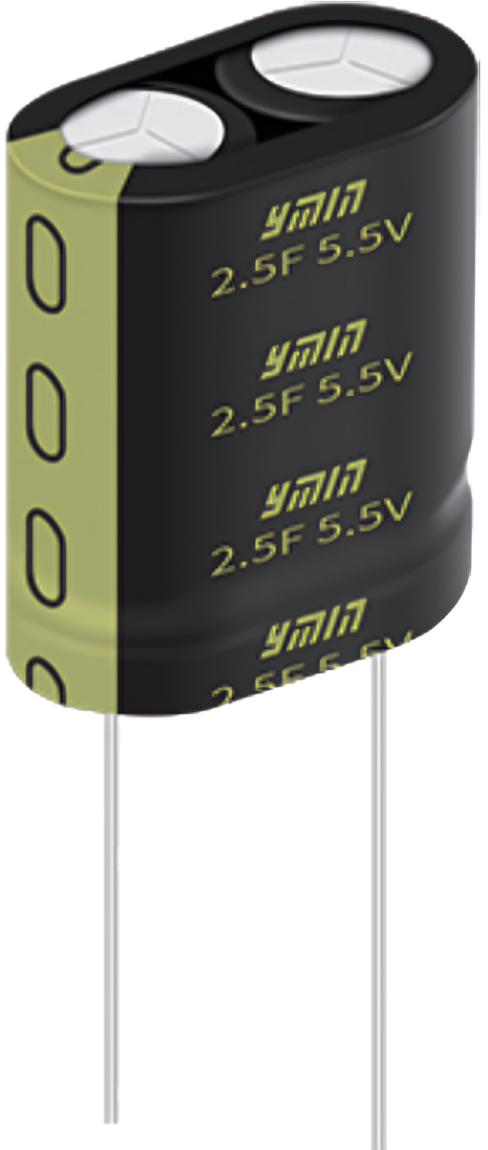
Figure 8. YMIN EDLCs have low internal resistance and low leakage current to ensure high storage retention, making them well-suited for ESSs.
Conclusion
Capacitors are a key technology for modern ESSs, serving essential roles in input filters, DC-link, and AC output filters for the rectifiers, inverters, and converters used in renewable installations. Due to the intermittent nature of these energy sources, ESSs are essential to provide on-demand power at all times. Both batteries and SCs enable instantaneous and long-term energy distribution to the residence and/or microgrid. SCs are also essential for ensuring that vital subsystems within power supplies, such as volatile memory and the RTC, do not lose critical data. YMIN offers a wide selection of capacitance solutions to serve ESSs, including aluminum and hybrid electrolytics, film capacitors, and SCs. Explore this paper to learn more about YMIN’s role in advancing energy storage systems.